

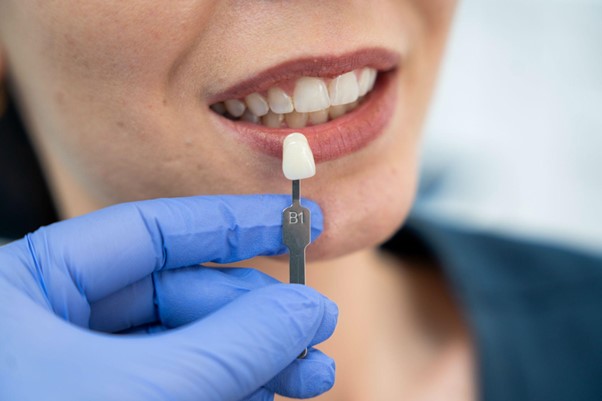
Your smile is one of the first things people notice — it’s your hello, improves your confidence, and is often a vital part of your first impression. However, everyday habits like coffee, tea, red wine, and even healthy foods containing turmeric can stain your teeth, leaving them looking dull or discoloured.
That’s why so many people in London and across the UK are searching for teeth whitening. With a fast and easy system, you can refresh your look and boost your confidence! A whiter smile can make you appear healthier, younger, and more approachable, while giving you that extra sparkle in photos, interviews, and social events.
The Oral Health Foundation has conducted research indicating that more than 60% of adults would love a brighter smile, proof that whiter teeth are one of the most desired cosmetic goals today. (Electric Teeth, 2020)
It is noteworthy that Google data shows whitening searches have jumped by more than 20% in the last year. (Google, n.d.)
What to Expect During your Whitening Treatment
Firstly, your dentist will carefully examine your teeth, record the current shade, and discuss your desired results in detail. During in-clinic whitening, your dentist will protect your gums, apply a professional-grade whitening gel, and activate it with a special LED light.
How long does teeth whitening treatment usually take?
The entire process usually takes around an hour, and most patients notice their teeth becoming several shades lighter after just one session. The treatment is quick, safe, and designed to deliver a naturally brighter smile with immediate, long-lasting results.
“We always start with a full check-up to make sure the teeth and gums are healthy. Then we create a plan that gives safe, even results without discomfort.”
Dr. Deepali Patel, Principal Dentist at Mayfield Dental.
Alternatively, your dentist may recommend custom-made at-home whitening trays which are designed to fit perfectly. By placing the gel provided into these trays for a few hours, every day, your smile gently brightens over a few weeks.
Post-Whitening Care: Maintain whiter teeth
You’ve just had your teeth whitened, now it’s time to make sure that sparkle lasts! For the first few days, you should avoid food and drinks that can stain your teeth, like curry, coffee, and red wine. Your enamel is a little more absorbent than usual right after treatment, so it’s best to stick to lighter, beige-coloured foods and brush gently with a fluoride toothpaste to keep your smile fresh without causing sensitivity.
After those first few days, it’s all about maintaining good habits. Brush your teeth at least twice a day and floss once daily to prevent plaque build-up. If you do enjoy a coffee, tea, or glass of wine, give your mouth a quick rinse afterwards to reduce staining. Please remember — smoking is one of the biggest causes of discolouration, so cutting back (or even quitting!) will make a huge difference to your final result. Finally, keep up with regular visits to your dentist every six months for a professional clean and polish to keep your smile looking bright and healthy.
Beware: Not All Whitening Options Are Dentist-Approved
Although there are plenty of whitening products available online that are safe and that actually work you should always get it done professionally with your dentist. The General Dental Council (GDC) reminds the public that, in the UK, only qualified dentists are legally allowed to carry out teeth whitening treatments. (General Dental Council, n.d.)
Whitening treatments from unregulated salons or online kits can lead to tooth sensitivity, burns, and lasting enamel damage. Some of these products contain illegal amounts of hydrogen peroxide, leaving many people with sore gums and a trip to the dentist instead of the brighter smile they were hoping for.
Your Smile Is An Investment, Treat It With Care.
FAQ
You’ve got questions, we’ve got answers
Don’t see the answer you’re looking for?
Yes, yellow teeth can often become significantly whiter with professional teeth whitening. Stains from ageing, food, drinks, and smoking can usually be lightened using dental-grade whitening treatments. However, the final shade depends on the type of staining and the natural colour of your enamel.
Foods and drinks that stain teeth the most include coffee, tea, red wine, cola, berries, tomato-based sauces, and curry. These items contain strong pigments and acids that can attach to tooth enamel over time. Limiting these foods or rinsing your mouth after consuming them can help reduce staining.