

Dental Retainers South Croydon
Retainers are essential in almost all orthodontic cases to help prevent the teeth moving once the braces are moved.
dental retainer after braces to stop teeth shifting back
Teeth tend to want to move back towards their original positions (relapse). Also as we get older our teeth move unpredictably, often showing increase in crowding. The longer you wear your retainers the longer you keep your teeth straight. Retainers can either be fixed or removable.
removable and fixed retainers in south croydon
Teeth tend to want to move back towards their original positions (relapse). Also as we get older our teeth move unpredictably, often showing increase in crowding. The longer you wear your retainers the longer you keep your teeth straight after orthodontic treatment.
types of dental retainers
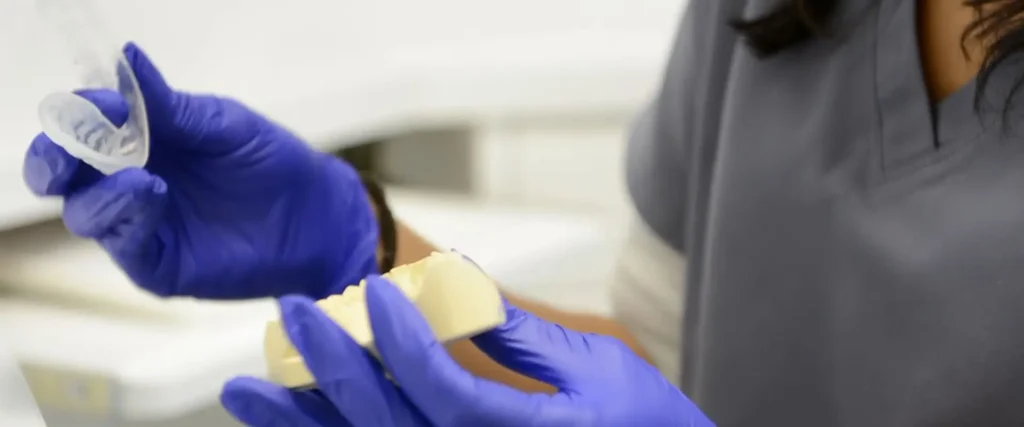
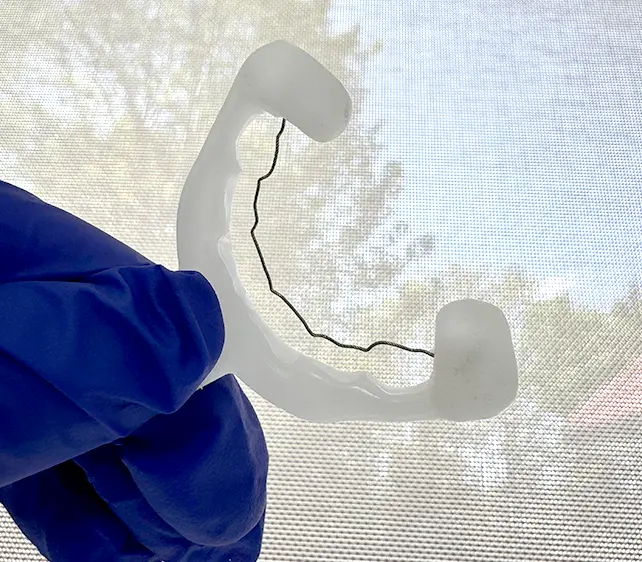
Retainers can either be removable or fixed, three common types of dental retainers:
- Hawley retainers: These feature a metal wire attached to an acrylic base, like a denture. They are known for being very durable and are removable.
- Essix retainers: These are clear plastic trays that resemble Invisalign aligners. They are removable, comfortable, and discreet, and allow for easy flossing.
- Bonded wire retainers (fixed dental retainers): This type involves a thin wire bonded to the back of your teeth, making it invisible to others. While effective, it can accumulate more plaque and tartar, requiring diligent oral hygiene and regular check-ups with your orthodontist or dentist. Flossing is possible using a special technique, such as weaving Oral B Superfloss threader under the wire. These fixed orthodontics retainers may occasionally need maintenance if they debond or break.
dental retainers south croydon cost
| Service | Price | Details |
|---|---|---|
| Removable plastic retainer | £170 | – |
| Bonded fixed wire retainer | £250 | – |
FAQ
You’ve got questions, we’ve got answers
Don’t see the answer you’re looking for?
A dental retainer plays a crucial role in maintaining the alignment of your teeth after you’ve undergone fixed braces or clear aligners orthodontics. Its primary function is to prevent your teeth from shifting back to their original positions by holding them steady while the bone around the roots solidifies in their new location.
The cost of retainers can vary. Plastic removable retainers generally cost £170 per arch, while bonded fixed wire retainers are £250 per arch. If you’re replacing an existing bonded retainer, there’s an additional £100 fee per arch for its removal.
For how long you need to wear a dental retainer, it’s generally understood that the longer you wear it, the longer your teeth will stay straight. Initially, for the first 3-6 months after fixed orthodontics or Invisalign, teeth are at their highest risk of shifting. During this phase, you should wear your retainer for 22+ hours a day, removing it only to eat, drink (non-water beverages), and brush your teeth. After this initial period (6 months+ post-braces), most people transition to nighttime wear (around 8 hours) indefinitely.
If your retainer feels tight or causes a dull ache, it’s a sign that your teeth have already started to move, and you’ll likely need to increase your wear time. If a retainer doesn’t fit, do not force it, as this can damage your retainer or even your teeth. Instead, schedule an appointment with your orthodontist or dentist for an adjustment or replacement.
Without a retainer, teeth can shift surprisingly fast. The elastic ligaments holding your teeth will try to pull them back to their original spots.
While you might not see a difference immediately, you’ll feel it, which is why your retainer might feel “snug” when you put it back in.
Within weeks and months, especially for the lower front teeth, shifts can become visible, leading to small gaps or rotations. Significant relapse, affecting your bite, can occur after six months, making removable retainers no longer fit.
After a year, teeth tend to drift towards the front of your mouth.
Even with a retainer, some teeth movement can still occur due to several factors:
- Time since orthodontics: Individuals who finished orthodontics more than five years ago generally have more stability than those who recently had their fixed braces removed, though movement is still possible.
- Original dental issue: If you had a large gap (diastema) or severely rotated teeth, these may be more prone to shifting.
- Clenching or grinding: This puts pressure on your teeth, pushing them out of alignment.
- Gum disease: Compromised bone due to gum disease can lead to rapid shifting, especially after fixed orthodontics.
- Type of retainer: Fixed dental retainers generally offer stronger and more consistent retention.
- “Settling” process: After braces, upper and lower teeth slightly adjust to find an optimal interlock for chewing.
- Wear and tear: Essix retainers can stretch and lose their grip, allowing teeth to move. Fixed retainers can debond or break, causing unheld teeth to rotate or drift.
- Incomplete arch control: Fixed retainers typically hold only the front teeth, so movement in the back teeth can pressure the front teeth, causing them to tilt.
- Poor fit due to dental work: New fillings or crowns can alter tooth shape, affecting the fit of Essix retainers and potentially shifting teeth if forced.
Many dental professionals recommend a “gold standard hybrid approach,” using both a fixed bonded retainer and an Essix retainer for enhanced security.
Even with this, minimal movement can still happen over many years.
There are unfortunately no alternatives to wearing a dental retainer if you want your teeth to remain in their post-braces position. Some form of physical stabilization is needed for the bone and ligaments. If you choose not to wear a retainer, you should anticipate that your teeth will move, and you may need further orthodontic treatment.
The downsides of retainers include:
- Essix retainers: These can cause a lisp, need regular replacement as the plastic loses its grip, must be removed for eating, and can develop odour over time.
- Fixed dental retainers: These can trap plaque, requiring meticulous cleaning with specialised floss and regular dental hygiene visits.
Both types can break and may eventually need repair or replacement, incurring additional costs and visits to your orthodontist.
Bottom teeth tend to shift more due to thinner bone, the natural forward movement of the lower jaw with age (mesial drift), pressure from the tongue and lips, and the general wear and tear on lower retainers.
Related Articles
Invisalign
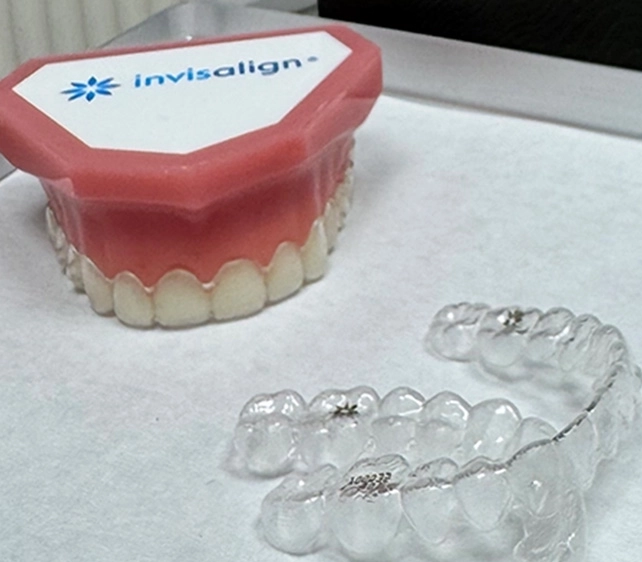
Experiencing orthodontics without the wires, with modern clear aligners available here at Mayfield Dental.
Teeth Straightening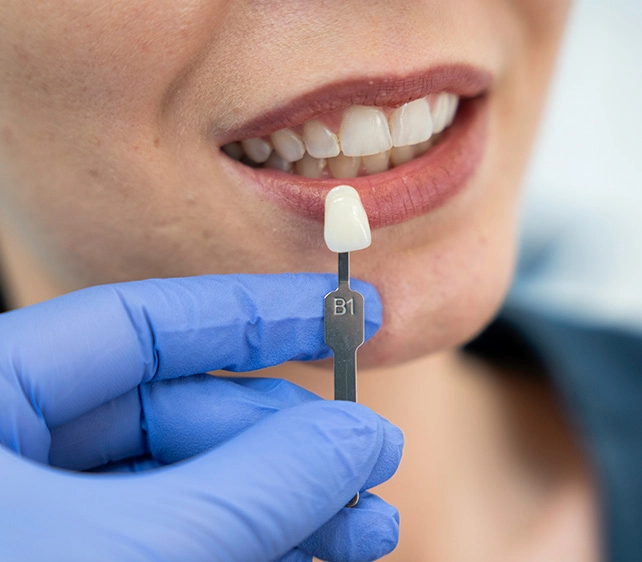
Teeth Whitening
Give your smile the sparkle it deserves. For a brighter and glowing smile, book your teeth whitening appointment.
Pro Teeth Whitening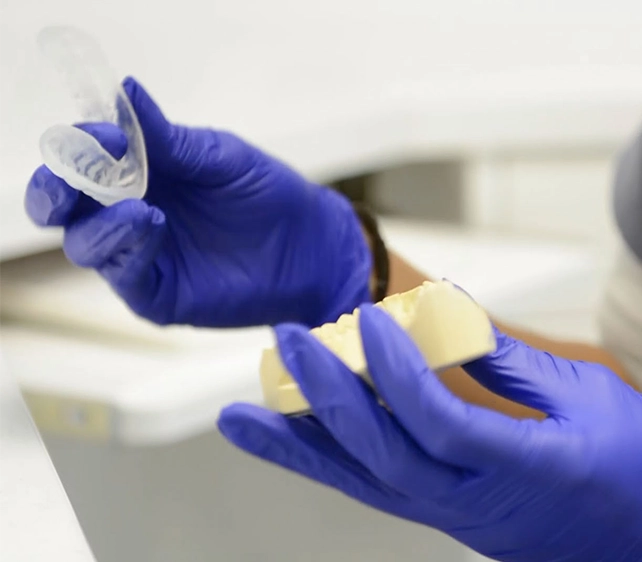
Orthodontics
Want straighter teeth in as little as six months? Visit our private orthodontist in South Croydon for affordable braces and retainers tailored to you.
Braces and Retainers