


This comprehensive guide explores the main signs and symptoms of teeth grinding (bruxism) while you sleep, possible causes and health issues that can arise when teeth grinding is left untreated, a holistic overview of what to do if you grind your teeth at night and how to stop jaw clenching.
What causes bruxism at night?
Teeth grinding can occur during the day or at night (sleep bruxism). Sleep bruxism is particularly problematic because you’re unaware it’s happening, allowing the behaviour to continue unchecked for months or even years. A common cause of teeth grinding is attributed to stress, anxiety, or sleep disorders like sleep apnoea.
Stress and Anxiety
The British Dental Association cites psychological stress as one of the primary triggers for bruxism. When you’re anxious or tense, your body may respond by clenching your jaw, grinding your teeth in sleep stress, especially during sleep when your conscious control is diminished.
Sleep Disorders
Sleep bruxism often occurs alongside other sleep disorders.The National Sleep Foundation estimates around 25% of people with obstructive sleep apnoea also experience teeth grinding. Similarly, those with insomnia, sleep talking, or violent sleep behaviours may be more likely to grind their teeth.
Lifestyle Factors
Certain habits can increase your risk of bruxism:
- Excessive caffeine consumption, particularly in the evening
- Alcohol use
- Smoking
- Recreational drug use
Medications
Some medications, including certain antidepressants, can trigger bruxism as a side effect. If you’ve recently started a new medication and noticed teeth grinding symptoms, consult with your GP or pharmacist.
Misaligned Teeth or Abnormal Bite
Dental problems such as missing teeth or an abnormal bite (malocclusion) may contribute to bruxism in some cases.
what does it mean if i grind my teeth in my sleep?
During sleep, it is the involuntary clenching, gnashing, or rubbing together of teeth. If left untreated, it can cause jaw pain, headaches, and tooth damage.
Sleep bruxism doesn’t just damage your teeth—it can significantly impact your sleep quality and overall wellbeing.
Sleep Architecture Disruption
Research from sleep centres across the UK has found that bruxism episodes often coincide with micro-arousals—brief awakenings that interrupt your natural sleep cycle. These disturbances prevent you from getting sufficient deep and REM sleep, the stages most crucial for physical restoration and mental health.
Pain-Related Sleep Issues
The jaw pain and headaches associated with bruxism can make it difficult to fall asleep or stay asleep. This creates a troubling cycle: stress causes grinding and teeth clenching during sleep, grinding causes pain, pain disrupts sleep, and poor sleep increases stress.
Impact on Bed Partners
The grinding sounds produced during bruxism can be remarkably loud; sometimes comparable to chewing ice cubes. This noise can disturb your partner’s sleep, potentially affecting your relationship and their health as well.
Signs of teeth grinding in sleep
Because sleep bruxism occurs while you’re unconscious, many people are unaware they have the condition until complications develop. Key signs to watch for include:
Morning Symptoms
- Dull, constant headache, particularly around your temples
- Jaw pain or stiffness upon waking
- Earache without an infection
- Facial muscle soreness or fatigue
- Limited ability to open your mouth fully
Dental Signs
- Teeth that are flattened, fractured, chipped, or loose
- Worn tooth enamel, exposing deeper layers of your tooth
- Increased tooth sensitivity
- Indentations on your tongue
- Damage from chewing on the inside of your cheek
Sleep Disruption
- Disrupted sleep for you or your partner
- Grinding sounds during sleep (often reported by sleep partners)
- Teeth chattering in sleep
- Frequent waking during the night
- Feeling unrefreshed despite a full night’s sleep
Symptoms of teeth grinding at night
As well as grinding your teeth and clenching your jaw, other symptoms can include:
- Regular morning headaches or a painful jaw which can lead to temporomandibular disorder (TMD)
- Visible wear on your teeth – worn down or broken teeth which can induce increased sensitivity, loss of teeth and fillings
- Teeth chattering in sleep
- Sleep disruption that you or your partner attributes to grinding
- Ongoing headaches and earache
Wider Health Implications of teeth grinding
Left untreated, chronic teeth grinding can lead to:
Dental Complications
- Severe tooth damage requiring crowns, root canals, implants, or even tooth extractions
- Accelerated periodontal (gum) disease
- Temporomandibular joint disorders (TMJ/TMD)
Physical Health Issues
- Chronic headaches and migraines
- Facial pain and muscle fatigue
- Ear problems including pain and ringing (tinnitus)
Mental Health Connections
- Increased anxiety due to sleep deprivation
- Heightened stress from chronic pain
- Reduced quality of life and daytime functioning
How to reduce teeth grinding and stop jaw clenching
With proper diagnosis and treatment, teeth grinding in sleep can be managed effectively.
Treatments for teeth grinding from a UK dentist
Dental Mouth Guards (night guards): are frequently the first line of treatment. These custom-fitted devices don’t necessarily stop the grinding but create a barrier that protects your teeth from damage.
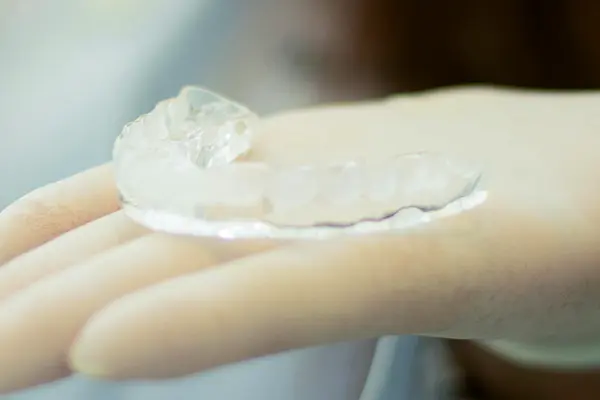
Dental Corrections: If your bruxism is related to misaligned teeth or an irregular bite, corrective treatments such as orthodontics or reshaping the chewing surfaces of teeth may be recommended.
enquire about dental mouth guards for teeth grinding
Call our Croydon dentist today on 020 8657 1291 for free advice on your treatment options for teeth grinding.
Lifestyle Modifications
Stress Management
Since stress is a primary trigger for bruxism, techniques to reduce tension can be highly effective:
- Mindfulness meditation
- Progressive muscle relaxation
- Regular exercise
- Cognitive behavioural therapy
- Establishing a calming bedtime routine
Sleep Hygiene Improvements
- Maintain a consistent sleep schedule
- Create a quiet, cool, and dark sleeping environment
- Limit screen time before bed
- Avoid caffeine after midday
- Reduce alcohol consumption, especially near bedtime
Physical Therapy
Exercises to relax and strengthen jaw muscles can help reduce bruxism symptoms. A physiotherapist specialising in jaw disorders can provide targeted exercises and techniques.
Medical Interventions
Muscle Relaxants
In severe cases, your dentist or GP might prescribe short-term muscle relaxants to reduce jaw muscle activity.
Botulinum Toxin (anti-wrinkle injections)
Increasingly used for severe cases, anti-wrinkle injections into the jaw muscles can prevent them from engaging in the powerful contractions that cause grinding and clenching. This treatment typically lasts 3-4 months and may require repeat applications.
Addressing Underlying Conditions
If your bruxism is related to another sleep disorder like sleep apnoea, treating the primary condition often helps resolve the grinding.
Teeth grinding during sleep doesn’t have to keep you up at night or damage your teeth. With increased awareness of the signs and a proactive approach to treatment, you can address sleep bruxism effectively and reclaim your sleep.
Don’t sleep on it – Schedule a dentist appointment for your personalised treatment plan
If you suspect you might be grinding teeth in sleep, don’t wait for serious complications to develop. Call us on 020 8657 1291 and visit our dental practice in South Croydon to take an important step toward better sleep hygiene and oral health.
related articles
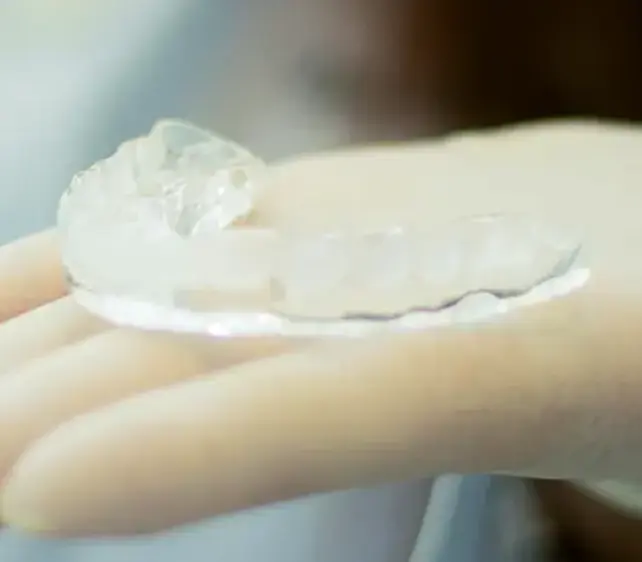
Mouth Guards
If you teeth grind, have worn or chipped teeth, you may need a mouth guard to naturally protect them from further damage.
Custom Mouth Guards
Periodontist
Our periodontist specialises in preventing, diagnosing, and treating gum disease. Learn more about our prolonged gum treatment.
Advanced Gum Treatment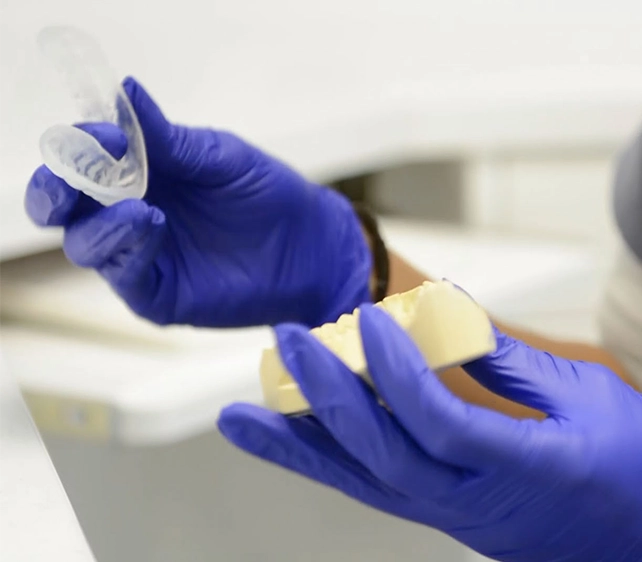
Orthodontics
Want straighter teeth in as little as six months? Visit our private orthodontist in South Croydon for affordable braces and retainers tailored to you.
Braces and Retainers