ethical dentistry in croydon: the mayfield dental Difference
Our “Options First” Protocol
One of the most vital standards we uphold is Principle 3: Obtain Valid Consent. In 2026, valid consent is about more than just a signature; it’s about a comprehensive understanding of your choices.
We have formalised our “Options First” Protocol, ensuring that before any treatment begins, we discuss:
The “Do Nothing” Path: What happens if we monitor the issue rather than intervening immediately?
All Reasonable Alternatives: Even if a specific specialist treatment isn’t performed in-house, we are ethically bound to inform you it exists (e.g., discussing advanced orthodontic surgical options alongside Invisalign).
Material Risks: We don’t just give you a brochure. Dr. Deepali Patel (GDC No. 103927) and our team tailor risks to your lifestyle, ensuring you know exactly how a procedure affects your daily routine in Croydon.
Living the GDC 9 Principles in South Croydon
Our commitment to these standards is what makes us a “Trusted and Effective” practice—the core theme of the GDC’s 2026–2028 strategy. Here is how those principles protect you every time you walk through our doors:
Principle 1: Put Patients’ Interests First. Whether it’s an emergency 7 AM appointment or a routine check-up, your health is the only priority.
Principle 2: Communicate Effectively. We use intra-oral scanners and digital X-rays to show you what we see, making complex dental jargon a thing of the past.
Principle 5: Clear Complaints Procedure. Transparency means being open when things don’t go to plan. We maintain a clear, 3-stage resolution process for total peace of mind.
Principle 7: Maintain Professional Knowledge. Our team stays at the forefront of 2026 tech, from laser-assisted healing to the latest minimally invasive restorative techniques.
Your Smile, Your Choice
Located just a short walk from Sanderstead and Purley Oaks stations, we are proud to bring world-class ethical standards to our local Croydon community
“Consent is a process, not a one-off event. We check in with you at every stage of your treatment plan to ensure you’re still comfortable with the path we’ve chosen together.” — Dr. Deepali Patel at Mayfield Dental
Your Ethical Dentist in Croydon
Contact our team today to arrange your consultation and discover expert cosmetic, restorative, and general dentistry. We’ll discuss your options, empowering you to make the best decision for your oral health.
Deepali has been working in General Dental Practice since qualifying in 2006 (Kings College London). With a keen interest in improving peoples smiles, Deepali went on to complete a year long Advanced Restorative and Cosmetic Dentistry Course in London Bridge in 2009. She can offer a full range of dental treatments from routine check ups to dental emergency services.
In her spare time Deepali enjoys travelling, and was notably featured in The Guardian using her skills to provide care for deprived communities abroad.
related articles
Dental Crowns
Protect and restore the strength and appearance of your tooth with durable, high-quality crowns.
how airflow dental cleaning is changing the way our patients think about dental hygiene
“Scale and Polish” is the most dreaded part of a dental visit for most patients. The sound of scraping and the sensation of metal tools near sensitive gums can make patients feel nervous.
But what if you could achieve a brighter and fresh smile with minimal “scraping”?
If you’ve been avoiding the dental hygienist due to teeth sensitivity or dental anxiety, airflow teeth cleaning is the game-changer you’ve been waiting for.
What is Airflow Polishing and How Does It Work?
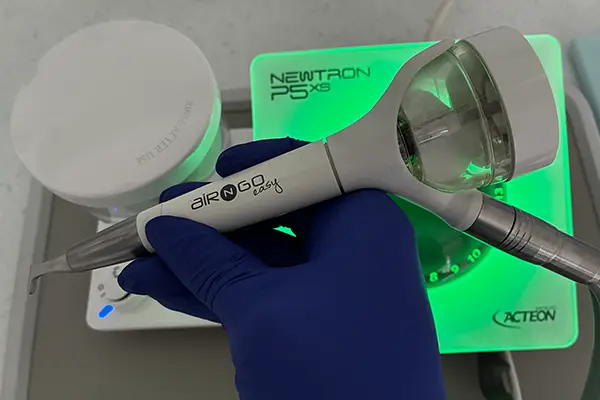
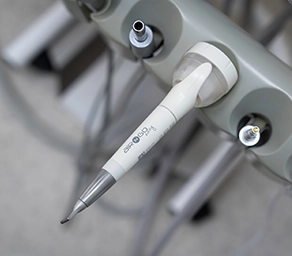
It’s like a jet polish teeth treatment! Using a gentle, controlled stream of air, water, and a fine, flavoured powder (usually sodium bicarbonate), it is designed to gently blast away plaque biofilm (that invisible bacterial layer), debris, and stubborn stains from the surfaces of your teeth.
Air polishing teeth can reach those hard-to-get areas, such as deep between your teeth and just under the gum line, that traditional scaling misses. The airflow teeth cleaning powder is now available in different flavours like mint and raspberry, making the experience much more pleasant.
Is Airflow teeth cleaning worth it?
Patients often ask if Airflow is “worth it” as they compare the cost with an NHS clean or regular private hygiene. While an airflow dental session might cost slightly more than a basic cleaning, the combination of minimal sensitivity/pain, instant brightening, and superior bacteria film removal makes it one of the highest-value treatments in modern dentistry. It is typically faster and more thorough as it reaches 100% of the tooth surface.
Airflow Teeth Cleaning Side Effects
Most effects are very minor and typically resolve within 24–48 hours:
Gum tenderness: Gums can feel slightly sore, especially if there was some previous gingivitis.
Minor Bleeding: Removing biofilm can cause slight bleeding if gums are already inflamed.
Gritty feeling: There may be a slight residue of powder post-cleaning, which is easily rinsed away.
What not to do after Airflow?
Following Airflow treatment, your teeth are more porous for a few hours and can stain again easily.
For 3 hours after your appointment, we advise avoiding:
Staining foods or drinks: Including coffee, tea, red wine, curry, beetroot, and berries.
Smoking or vaping
Acidic foods: Such as citrus fruits or sparkling water.
Abrasive toothpastes: Do not use gritty “whitening” pastes immediately after treatment.
When to Avoid Airflow Dental Hygiene?
While air polishing teeth is very safe, it should be avoided or delayed for patients with:
Respiratory diseases like severe asthma or URTIs (Upper Respiratory Tract Infections).
Young children (typically under 10) who may accidentally ingest the powder.
Extensive, untreated dental caries (decay) or unstable/severe periodontal disease (both require a specialised treatment plan first).
Can Airflow remove all types of stains?
Airflow can remove extrinsic stains mainly caused by diet and lifestyle like smoking and tea/coffee. However, it cannot remove intrinsic stains caused by internal aging (teeth get yellow as we age), medication stains, discolouration from tooth trauma or fluorosis. For these you may need professional tooth whitening or veneers.
Ready for a Brighter, Cleaner Smile?
Stop dreading the “scrape” of a traditional hygiene clean and start enjoying the “glow” of Airflow Polishing – fast, comfortable, and provides immediate results you can see and feel. Call our friendly receptionist on 0208 657 1291 to find out more.
Deepali has been working in General Dental Practice since qualifying in 2006 (Kings College London). With a keen interest in improving peoples smiles, Deepali went on to complete a year long Advanced Restorative and Cosmetic Dentistry Course in London Bridge in 2009. She can offer a full range of dental treatments from routine check ups to dental emergency services.
In her spare time Deepali enjoys travelling, and was notably featured in The Guardian using her skills to provide care for deprived communities abroad.
related articles
Dental Hygiene
Schedule a classic hygiene teeth cleaning to remove plaque and tartar for healthier teeth and stronger gums.
As Croydon residents, we are surrounded by wonderful places to eat, drink and indulge.
If you are in Croydon and wondering how to keep your teeth and gums in good form whilst enjoying all the tasty foods and drinks accessible to us, you are not alone. At Mayfield Dental, our hygienist hears the same question often, and we love helping our neighbours look after their smiles.
Whilst it’s easy to “forget” to brush your teeth in the evenings and neglect basic oral hygiene, there are some common questions we get asked a lot and want to unpack here in this guide of common dental hygiene questions by patients who live here in Croydon.
How Often Should I See A Dental Hygienist?
It’s not uncommon for us to see patients who haven’t been to the dentist in a very long time. But whilst that time passes, your teeth can slowly decay and deteriorate when you are not looking after them. Routine dental hygiene appointments are essential for your oral health.
Most people in Croydon benefit from seeing a dental hygienist every six months, but this can vary depending on your gum health, whether you smoke, or if you’re managing conditions like diabetes.
As a note, if you have noticed bleeding gums or a buildup of plaque, don’t wait, please either contact us or book a dental hygiene appointment today
What Happens During A Hygiene Appointment?
Dental practices have a lot to offer when it comes to treatments and advice. We get asked a lot by patients of whether they should go for a dental check up or a hygiene, often times we find ourselves walking through what patients can expect from a dental hygiene appointment. This would typically include:
A deep scale and polish to remove tartar and stains
A friendly check on your gums and overall oral health
Leaving the clinic with a cleaner smile
Oral health care advice on your brushing and flossing techniques.
How Do I Know if I have Gum Disease?
Gum disease can be something that’s not so obvious to you straight away. But there are ways to identify if you have it or not. I do have to say that if you have the following symptoms below then it’s important not to ignore.
Routine hygiene treatments can help prevent gum disease. The good news is that if you have symptoms and they are fairly recent, we can help you strengthen your gums and ensure your teeth are in good health.
Contact us for a dental hygiene appointment in Croydon if you have:
For most Croydon smiles, interdental brushes are more effective than floss, but it depends on the spaces between your teeth. We’ll guide you on what works best for you during your appointment.
How Can I Reduce Bad Breath?
Self-conscious about bad breath? It’s not about the amount of mints and gum you can chew to cover it up. A thorough clean from your hygienist removes bacteria that cause odours, especially in hard‑to‑reach places.
Tip: Don’t forget your tongue, a tongue scraper or brush can make a huge difference.
What Products Should I Use at Home?
Shopping in a supermarket can be overwhelming. You see so many varieties of toothpaste, mouthwash, toothbrushes and more. But what is right for you? I’ve got a few pointers for you to consider when you are shopping for oral health products and we also recommend this to patients who come and see us here at Mayfield Dental.
Soft-bristled electric toothbrush
Fluoride Toothpaste
Interdental brushes suited to your gaps
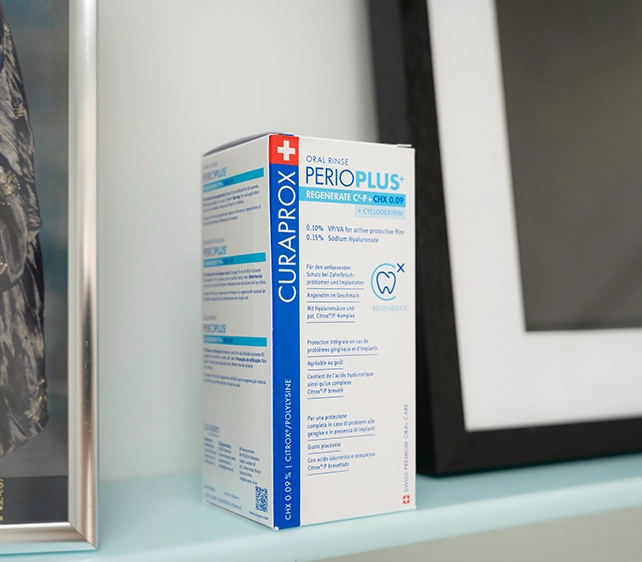
Alcohol-free Mouthwash
How Long Should I Brush and What Technique Should I Use?
It’s a simple formula. Brush two times a day for two minutes. But it doesn’t stop at whizzing your toothbrush around your mouth.
The key is to hold your toothbrush at a 45-degree angle to your gums and use small circular motions. If you use an electric toothbrush then gently move your brush along. It’s important not to be too harsh with it. The bristles on your brush can make your gums bleed and harm them.
Can a hygiene appointment whiten my teeth or remove stains?
A hygiene visit removes surface stains from tea, coffee, or smoking, making your smile instantly brighter. For deeper whitening, we can talk you through safe, professional options right here in Croydon.
At Mayfield Dental, we’re proud to care for the Croydon community. Whether it’s your first hygiene visit or you’re a regular, we’ll help you keep your smile healthy and confident.
Gum disease (periodontal disease) is actually very common, and ignoring early signs of gum disease can significantly impact not just the appearance of your teeth, but your overall health as well.
What are early signs of gum disease I should look out for?
It’s important to catch gum disease early on with regular oral care and dental visits for effective periodontal disease management. Look out for these 9 warning signs of gum disease:
Your gums shouldn’t bleed when you brush or eat. If you regularly see blood on your toothbrush or in the sink after brushing, it could be an early sign of oral inflammation, known as gingivitis, the first stage of gum disease and bleeding gums from plaque. Even if it doesn’t hurt, bleeding gums indicate your mouth isn’t as healthy as it should be. Regular dental check ups can help keep this issue small and easy to fix.
2. Red, Swollen, or Tender Gums
Normally, your gums should look firm and pink. If they’re red, swollen, or feel sore when touched, this usually means they’re irritated or inflamed. Swollen gums might not seem like a big deal, especially if they’re not painful. But they’re your body’s way of telling you something isn’t quite right.
3. Persistent Bad Breath
Gum disease often causes constant bad breath (halitosis) because bacteria are building up in your mouth. Bad breath can be embarrassing, but it can also mean something more serious.
If regular brushing, flossing, and mouthwash do not seem to work, it might be time to seek professional help. Persistent bad breath often points to gum disease, and it’s unlikely to clear up on its own.
4. Gums Pulling Away from Teeth
Gum recession occurs when your gums start to recede or pull back from your teeth, making teeth look longer or expose parts of the root.
This isn’t just a cosmetic problem; it’s a major warning sign of gum disease. Receding gums can also lead to more sensitive teeth, especially noticeable when you eat or drink hot or cold foods.If you notice your gums pulling back, visit your dentist soon. Early action can stop further recession and prevent permanent damage.
5. Tooth sensitivity
If your teeth suddenly feel more sensitive, especially when you have hot or cold foods or drinks, gum disease might be the cause. Receding gums expose the sensitive tooth roots, leading to increased discomfort.
Sensitivity isn’t something you should brush off as a minor inconvenience. If the sensitivity keeps getting worse or doesn’t go away, it’s best to check with your dentist.
Identifying sensitivity early can help address underlying gum problems, protecting your teeth from further damage.
6. Teeth feel loose or are shifting
Your teeth should feel solid and firmly in place. If you notice a tooth becoming loose or shifting out of position, gum disease might be weakening the tissues and bones holding your teeth in place.
Loose teeth are often a sign of advanced periodontitis. At this stage, inflammation has become serious, and you risk losing teeth if you don’t act fast.
Spotting loose teeth early greatly improves your chances of saving them. Immediate dental attention is essential to prevent further damage.
7. Pain or Discomfort When Chewing
Feeling pain or discomfort when you chew isn’t normal. This could mean gum disease is causing inflammation or even infection beneath your gums.
Ignoring this pain isn’t wise because it often signals deeper problems. Inflamed or hidden gum infections can cause lasting damage if not treated promptly.
8. Changes in Your Bite
Sometimes gum disease can change the way your teeth fit together when you bite. You might notice your teeth shift or your bite feeling different. These changes can seem subtle at first, but they’re often signs of gum disease affecting the bones beneath your gums.
If you have dentures, you might notice they fit differently or feel uncomfortable, which can also be linked to gum issues.
9. Dental Abscesses or Pus
A dental abscess is a pocket of pus caused by a bacterial infection. Common causes of dental abscesses include:
Deep cavities (holes in your teeth)
Cracked teeth
Gum disease
Without treatment, it can damage the surrounding bone and even lead to more serious health complications like sepsis. If you notice any pus, you should seek immediate dental care.
Gum abscesses show bacteria have deeply infected your gums. Ignoring abscesses can cause infections to spread further into your jaw or even your bloodstream, leading to serious health complications.
How can I treat early signs of gum disease?
Depending on severity of the condition, for early gum disease (gingivitis), we may recommend a professional scale and polish, help advise you in brushing and flossing technique and or to use an antibacterial mouthwash or toothpaste.
Early intervention often means we can save the tooth. If you’re feeling discomfort, don’t wait for it to “get better” on its own. A quick visit to your dentist and following their treatment plan can help control symptoms of gum disease, save your teeth and keep your oral health in check.
Visit your same day emergency dentist in South Croydon today
If you’re experiencing pain or worried your symptoms of gum disease may be getting worse – at Mayfield Dental, we reserve daily slots for emergency care to ensure you get relief fast. Our team specialises in gentle, effective treatment to stop the pain. Request a call back or message us instantly via WhatsApp.
This comprehensive guide explores the main signs and symptoms of teeth grinding (bruxism) while you sleep, possible causes and health issues that can arise when teeth grinding is left untreated, a holistic overview of what to do if you grind your teeth at night and how to stop jaw clenching.
What causes bruxism at night?
Teeth grinding can occur during the day or at night (sleep bruxism). Sleep bruxism is particularly problematic because you’re unaware it’s happening, allowing the behaviour to continue unchecked for months or even years. A common cause of teeth grinding is attributed to stress, anxiety, or sleep disorders like sleep apnoea.
Stress and Anxiety
The British Dental Association cites psychological stress as one of the primary triggers for bruxism. When you’re anxious or tense, your body may respond by clenching your jaw, grinding your teeth in sleep stress, especially during sleep when your conscious control is diminished.
Sleep Disorders
Sleep bruxism often occurs alongside other sleep disorders.The National Sleep Foundation estimates around 25% of people with obstructive sleep apnoea also experience teeth grinding. Similarly, those with insomnia, sleep talking, or violent sleep behaviours may be more likely to grind their teeth.
Lifestyle Factors
Certain habits can increase your risk of bruxism:
Excessive caffeine consumption, particularly in the evening
Alcohol use
Smoking
Recreational drug use
Medications
Some medications, including certain antidepressants, can trigger bruxism as a side effect. If you’ve recently started a new medication and noticed teeth grinding symptoms, consult with your GP or pharmacist.
Misaligned Teeth or Abnormal Bite
Dental problems such as missing teeth or an abnormal bite (malocclusion) may contribute to bruxism in some cases.
what does it mean if i grind my teeth in my sleep?
During sleep, it is the involuntary clenching, gnashing, or rubbing together of teeth. If left untreated, it can cause jaw pain, headaches, and tooth damage.
Sleep bruxism doesn’t just damage your teeth—it can significantly impact your sleep quality and overall wellbeing.
Sleep Architecture Disruption
Research from sleep centres across the UK has found that bruxism episodes often coincide with micro-arousals—brief awakenings that interrupt your natural sleep cycle. These disturbances prevent you from getting sufficient deep and REM sleep, the stages most crucial for physical restoration and mental health.
Pain-Related Sleep Issues
The jaw pain and headaches associated with bruxism can make it difficult to fall asleep or stay asleep. This creates a troubling cycle: stress causes grinding and teeth clenching during sleep, grinding causes pain, pain disrupts sleep, and poor sleep increases stress.
Impact on Bed Partners
The grinding sounds produced during bruxism can be remarkably loud; sometimes comparable to chewing ice cubes. This noise can disturb your partner’s sleep, potentially affecting your relationship and their health as well.
Signs of teeth grinding in sleep
Because sleep bruxism occurs while you’re unconscious, many people are unaware they have the condition until complications develop. Key signs to watch for include:
Morning Symptoms
Dull, constant headache, particularly around your temples
Jaw pain or stiffness upon waking
Earache without an infection
Facial muscle soreness or fatigue
Limited ability to open your mouth fully
Dental Signs
Teeth that are flattened, fractured, chipped, or loose
Worn tooth enamel, exposing deeper layers of your tooth
Increased tooth sensitivity
Indentations on your tongue
Damage from chewing on the inside of your cheek
Sleep Disruption
Disrupted sleep for you or your partner
Grinding sounds during sleep (often reported by sleep partners)
Teeth chattering in sleep
Frequent waking during the night
Feeling unrefreshed despite a full night’s sleep
Symptoms of teeth grinding at night
As well as grinding your teeth and clenching your jaw, other symptoms can include:
Regular morning headaches or a painful jaw which can lead to temporomandibular disorder (TMD)
Visible wear on your teeth – worn down or broken teeth which can induce increased sensitivity, loss of teeth and fillings
Teeth chattering in sleep
Sleep disruption that you or your partner attributes to grinding
Ongoing headaches and earache
Wider Health Implications of teeth grinding
Left untreated, chronic teeth grinding can lead to:
Ear problems including pain and ringing (tinnitus)
Mental Health Connections
Increased anxiety due to sleep deprivation
Heightened stress from chronic pain
Reduced quality of life and daytime functioning
How to reduce teeth grinding and stop jaw clenching
With proper diagnosis and treatment, teeth grinding in sleep can be managed effectively.
Treatments for teeth grinding from a UK dentist
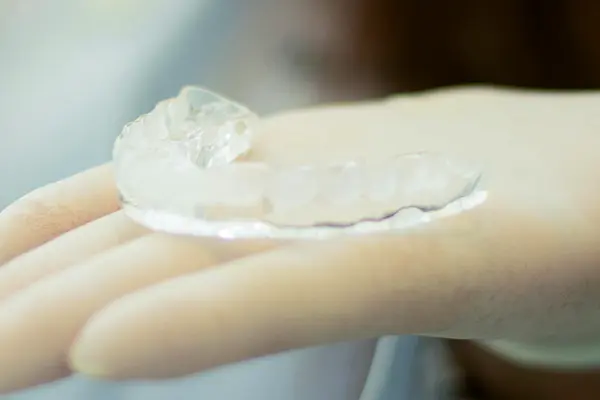
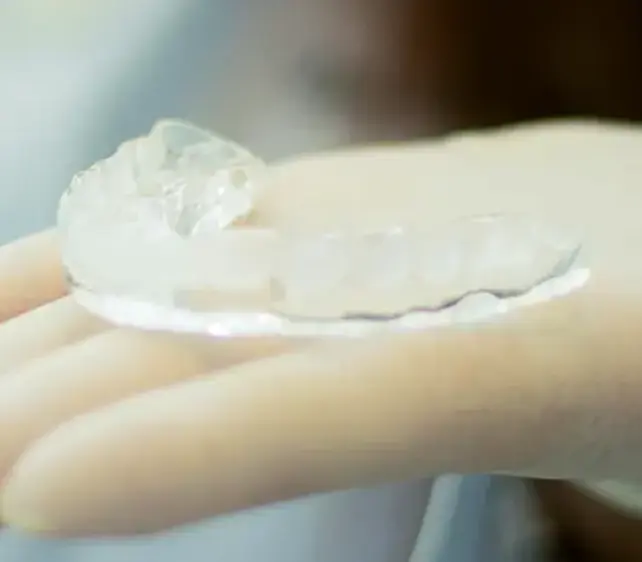
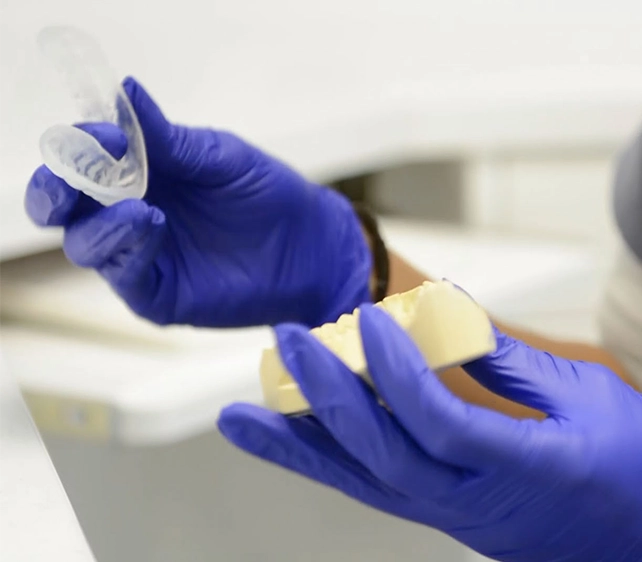
Dental Mouth Guards (night guards): are frequently the first line of treatment. These custom-fitted devices don’t necessarily stop the grinding but create a barrier that protects your teeth from damage.
Dental Corrections: If your bruxism is related to misaligned teeth or an irregular bite, corrective treatments such as orthodontics or reshaping the chewing surfaces of teeth may be recommended.
enquire about dental mouth guards for teeth grinding
Call our Croydon dentist today on 020 8657 1291 for free advice on your treatment options for teeth grinding.
Since stress is a primary trigger for bruxism, techniques to reduce tension can be highly effective:
Mindfulness meditation
Progressive muscle relaxation
Regular exercise
Cognitive behavioural therapy
Establishing a calming bedtime routine
Sleep Hygiene Improvements
Maintain a consistent sleep schedule
Create a quiet, cool, and dark sleeping environment
Limit screen time before bed
Avoid caffeine after midday
Reduce alcohol consumption, especially near bedtime
Physical Therapy
Exercises to relax and strengthen jaw muscles can help reduce bruxism symptoms. A physiotherapist specialising in jaw disorders can provide targeted exercises and techniques.
Medical Interventions
Muscle Relaxants
In severe cases, your dentist or GP might prescribe short-term muscle relaxants to reduce jaw muscle activity.
Botulinum Toxin (anti-wrinkle injections)
Increasingly used for severe cases, anti-wrinkle injections into the jaw muscles can prevent them from engaging in the powerful contractions that cause grinding and clenching. This treatment typically lasts 3-4 months and may require repeat applications.
Addressing Underlying Conditions
If your bruxism is related to another sleep disorder like sleep apnoea, treating the primary condition often helps resolve the grinding.
Teeth grinding during sleep doesn’t have to keep you up at night or damage your teeth. With increased awareness of the signs and a proactive approach to treatment, you can address sleep bruxism effectively and reclaim your sleep.
Don’t sleep on it – Schedule a dentist appointment for your personalised treatment plan
If you suspect you might be grinding teeth in sleep, don’t wait for serious complications to develop. Call us on 020 8657 1291 and visit our dental practice in South Croydon to take an important step toward better sleep hygiene and oral health.
Most people put off dental check-ups, thinking they’re not that urgent. Truth is, waiting can turn a small problem into a much bigger issue. Ignoring early warning signs often leads to more pain, expense, and hassle. Some symptoms might seem harmless but can point to something more serious if left unattended. If any of these sound familiar, it’s time to get that appointment booked.
Persistent Toothache or Sensitivity
A sudden sharp pain when you sip hot tea, bite into ice cream or bite down on something hard/crunchy? It’s not something to shrug off. While mild sensitivity can happen now and then, ongoing pain might signal tooth decay, an infection, or even a cracked tooth. Waiting it out won’t make it better. In fact, that small twinge could turn into an all-out throbbing mess.
Let’s be real; pain is your body waving a massive red flag. Whether it’s an annoying buzz or a full-on sting, trust that something’s wrong. Some people try to avoid biting down on one side, but that’s just avoiding the inevitable. The longer you wait, the harder the fix.
Bleeding Gums After Brushing
A little pink in the sink might seem like no big deal. But bleeding gums can hint an underlying gum disease, and that’s not something you can brush away. Gingivitis, the early stage, can be reversed with professional cleaning and better care. Leave it too long, and it could spiral into periodontitis, leading to tooth loss.
Healthy gums shouldn’t bleed, ever. If they do, it’s time to act before things escalate. You might also notice tenderness or gums that seem to be pulling away from your teeth. Left unchecked, your gums could weaken and form pockets where bacteria settle. Once it gets to that stage, the damage can be permanent.
Bad Breath That Won’t Go Away
Everyone has morning breath – it’s normal. But constant foul breath that sticks around despite regular brushing and mints? That’s a different story. Chronic bad breath, or halitosis, could be linked to gum disease, decay, or even an infection.
It’s awkward to talk about, but better to mention it to your dentist rather than feeling embarrassed or conscious. They’ll help get to the root of it (pun intended). Also, don’t overlook dry mouth; lack of saliva allows bacteria to thrive, contributing to persistent bad breath.
Jaw Pain or Clicking Sounds
Does your jaw click when you yawn? Or does it feel sore after chewing? This might be a sign of temporomandibular joint (TMJ) disorder. Left unchecked, this can cause constant discomfort and lead to bigger complications such as limited mouth opening or inability to eat.
Dentists can offer bite guards or other treatments like botox to ease the strain. Don’t let it get to the point where you can barely open your mouth without flinching. Prolonged clenching or grinding in your sleep could also worsen this condition, so don’t brush off morning jaw pain as just “one of those things.”
Swollen or Red Gums
Swollen, red, or tender gums usually mean inflammation. This can be triggered by plaque build-up or gum infection. In some cases, it can even hint at more serious conditions like diabetes or vitamin deficiencies.
Ignoring inflamed gums isn’t just bad for your teeth. Gum health is linked to overall well being. If you spot puffiness or soreness, book a visit with the hygienist or dentist. Sometimes, advanced swelling can spread to the jaw or neck, signalling a deeper infection that needs urgent attention.
Loose or Shifting Teeth
Teeth shouldn’t wobble like they’re about to drop out. If your tooth feels loose, it’s a serious sign that something’s not right. This could be due to advanced gum disease or trauma from grinding your teeth at night.
It’s important to act fast – teeth can sometimes be saved with the right care. Waiting could mean you’re facing implants or dentures sooner than you’d expect. Don’t dismiss a tooth that suddenly feels “different.” It could be moving out of alignment, which is often a precursor to more significant damage.
Persistent Mouth Sores
A mouth ulcer here or there after biting your cheek is normal. But persistent sores that don’t heal after a couple of weeks? That’s a warning sign. Sores that linger could indicate infections, a weakened immune system, or even oral cancer.
If it’s not fading or keeps coming back, a dentist can check and advise if you need further tests. Also, watch out for any lumps or rough patches in your mouth that won’t go away. Early detection is key when it comes to your health.
White or Dark Spots on Teeth
White or brown spots on teeth might seem harmless. But these could indicate early tooth decay or enamel demineralisation. The earlier it’s caught, the easier it is to treat without needing a filling.
A quick visit could save you from more complex dental work down the line. If your spots become larger or start to feel rough, it’s a sign the issue is progressing. Some people only notice these when they see old photos and realise their smile is changing.
Trouble Chewing or Swallowing
If chewing feels uncomfortable or swallowing seems harder than it should be, don’t ignore it. This could stem from a dental abscess, cracked tooth, or other issues affecting your mouth.
Your dentist can pinpoint the cause and make sure it’s sorted before it gets worse. You might even avoid nerve damage or a spread of infection by acting quickly.
Changes in Your Smile
Have you noticed your teeth look more spaced out? Or maybe your bite feels different? These changes can hint at gum disease, bone loss, or teeth shifting due to issues like grinding.
Your dentist can step in with solutions to correct things before they become irreversible. In some cases, invisible aligners or retainers can fix mild shifts before they worsen.
Swelling in the Face or Neck
Facial swelling can be a sign of a serious infection spreading from an abscessed tooth. If left untreated, this can become life-threatening.
Don’t hesitate – facial swelling needs immediate medical attention. If it’s paired with a fever, difficulty breathing, or trouble opening your mouth, don’t wait. Go straight to the nearest emergency service.
You Haven’t Been in Over a Year
Even if everything seems fine, regular check-ups (ideally every six months) are key. Dentists catch what you can’t see. Plaque build-up, cavities, tiny cracks, or early-stage issues often have no symptoms—until they’re major problems.
If you can’t remember your last visit, take that as your cue to book one. Consistent care is a small commitment compared to the cost of emergency treatments.
your teeth are not just for smiling. They’re for living.
When it comes to dental health, prevention is miles better than treatment. Addressing small signs early on can save you from expensive procedures, unnecessary pain, and avoidable complications. So, don’t wait until something hurts. Give your dentist a call and keep your smile healthy for the long haul.