Blog Archives | Mayfield Dental Blog Archives | Mayfield Dental

Category: Blog

Blog archives for Mayfield Dental

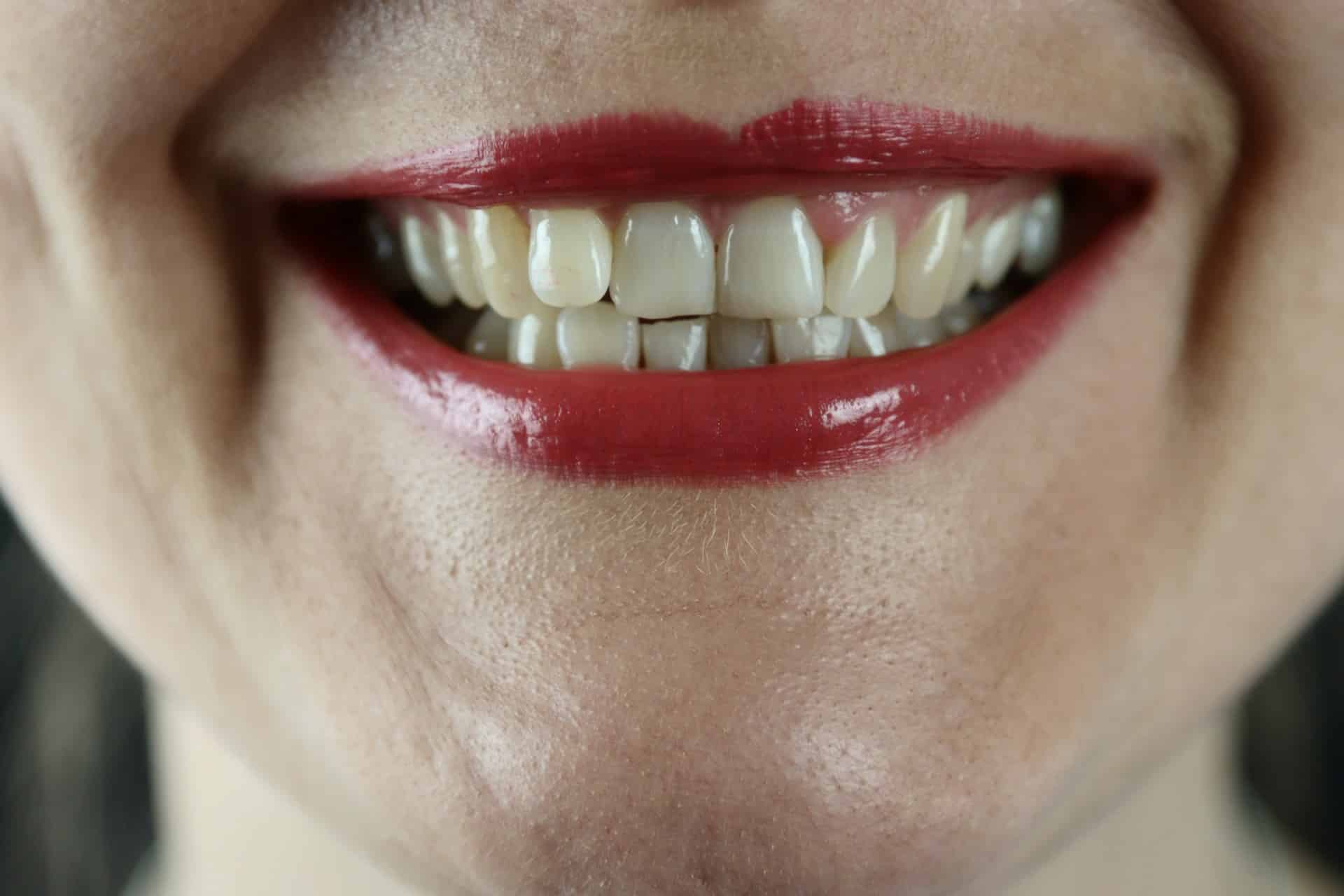
  • What is the cause of bleeding gums?

    What is the cause of bleeding gums?

    Though they appear minor, bleeding gums could point to far more serious medical issues and not to be ignored. Many people assume the odd appearance of blood during brushing or flossing is normal or transient. Maintaining oral health or general well-being depends on knowing what causes bleeding gums and the possible repercussions.

    The Common Causes of Bleeding Gums

    Bleeding gums can result from several factors, from minor habits to more serious medical problems. Gingivitis, the first stage of gum disease, is the most often occurring cause. When plaque, a sticky film of germs, builds up on the teeth, gingivitis follows. Without constant brushing and flossing, plaque builds into tartar, aggravating the gums and leading to swelling and bleeding.

    Incorrect brushing methods can also cause bleeding gums. Aggressive brushing with a toothbrush with rough bristles might harm delicate gum tissue. Although complete dental cleanliness is important, a softer toothbrush with soft bristles can help avoid needless damage.

    Some drugs raise the risk of gum bleeding. For instance, blood thinners lessen the blood’s ability to clot, thereby facilitating gum bleeding. See your doctor to find out whether there is a relationship if you recently began taking new medications and find bleeding gums.

    Hormonal changes, particularly during pregnancy, puberty, or menopause, can make gums more sensitive and bleeding-prone. Changing hormone levels increase blood flow to the gums, which causes inflammation and higher sensitivity. Often called pregnancy gingivitis, this disorder emphasizes the need for maintaining great oral hygiene throughout these times.

    The Link Between Bleeding Gums and Gum Disease

    Ignoring bleeding gums can open the path for more severe gum disease, most especially periodontitis. A major infection called periodontitis compromises the teeth’s supporting structures—including the jawbone—as well as the gums. Mild inflammation can turn into something entirely different that causes lasting damage.

    Ignorance of gingivitis leaves periodontitis developing. The gums draw away from the teeth to create pockets where germs flourish. These pockets deepen with time, aggravating more gum recession and, finally, tooth loss. The effects go beyond the mouth; untreated periodontitis can cause jawbone degradation, changing face structure and complicating further dental operations.

    Early intervention helps prevent gum disease from advancing. Regular dental visits are crucial for early warning of problems like bleeding or inflamed gums. A dentist can treat the issue properly, counsel on better dental hygiene practices, and eliminate tartar buildup.

    The Connection to Systemic Health Issues

    Bleeding gums can indicate more general health issues than only dental problems. Research on gum disease and systemic diseases, including heart disease, diabetes, and stroke, is mounting and ties them together. Gum disease’s inflammation can pass into the bloodstream and either aggravate or cause certain diseases.

    For example, because their capacity to fight infections is compromised, persons with diabetes can have more gum disease. Conversely, untreated gum disease can complicate blood sugar control, which fuels a loop that aggravates both diseases. Gum inflammation can similarly raise the risk of cardiovascular problems by aggravating arterial plaque development, therefore increasing the possibility of heart attacks or strokes.

    These links show the reasons bleeding gums should never be taken for granted. They are a possible sign of systematic inflammation as much as a specific issue. Early resolution of the problem will help your general health in ways you might not first think about.

    The Importance of Proper Oral Hygiene

    The basis of stopping and managing bleeding gums is good oral hygiene. You cannot change brushing your teeth at least twice daily using fluoride toothpaste. Daily flossing is equally crucial for removing food particles and plaque from between teeth—where a toothbrush cannot reach.

    One easy but sometimes neglected habit is routinely changing your toothbrush. Worn-out bristles can aggravate gum tissue and are less efficient in cleaning. If the bristles on your toothbrush start to fray, dentists usually advise changing it every three to four months or sooner.

    An antimicrobial mouthwash can also aid in clearing mouth bacteria, minimizing gum inflammation risk. Though it’s not a replacement for brushing and flossing, mouthwash is an excellent complement to your regimen for preserving gum health.

    Regular dental trips are essential. During these visits, your dentist can perform professional cleanings to remove tartar, spot early gum problems, and provide customized recommendations for your oral care regimen. Many people wait until they are uncomfortable or in pain to see the dentist, but preventive treatment helps to prevent issues from getting worse.

    The Role of Diet in Gum Health

    Your gums’ health directly relates to what you eat. Diets heavy in sugar and processed carbohydrates feed the development of plaque, raising the risk of gum disease. Reducing sweet drinks and snacks can clearly make a difference.

    Conversely, a balanced diet high in vital minerals helps gum health. Particularly helpful is vitamin C since it lessens gum inflammation and helps heal connective tissue. Great sources are fruits, including strawberries, kiwis, and oranges. Another essential vitamin is calcium since it supports the bones supporting teeth. Among good choices include dairy products, almonds, and leafy greens.

    Maintaining hydration is similarly vital. Between brushing, water helps clear food particles and bacteria from your mouth. It also increases salivary flow, which naturally guards your gums and teeth.

    The Impact of Lifestyle Choices

    Gum condition is primarily influenced by lifestyle choices. Among the most harmful habits you engage in regarding your gums is smoking. It slows blood flow, making healing your gums more difficult and increasing susceptibility to infections. Since smoking can disguise symptoms like bleeding, smokers are more prone to gum disease and less likely to observe the warning signals.

    Quitting smoking is one of the best things you can do for your gums and general health. The advantages of the process are well worth it, even if it can be demanding. These include better gum health, cleaner breath, and a lower risk of major diseases.

    Gum issues can also be caused in part by stress. High stress reduces your immune system, which increases your susceptibility to gum disease, among other illnesses. Whether your preferred method of stress management is exercise, meditation, or hobbies, your oral health can benefit.

    When to Seek Professional Help

    Although better dental hygiene usually helps to control minor bleeding, persistent or severe bleeding is a warning sign. Don’t hesitate to get expert guidance if your gums bleed regularly, are quite swollen, or cause pain. These symptoms could point to advanced gum disease or some underlying condition needing quick attention.

    Dentists perform several procedures to treat gum issues. Deep cleaning, scaling, and root planing are common treatments that clear tartar and plaque from behind the gum line. Severe cases may require surgical intervention to restore gum health and prevent further damage.

    Ignoring ongoing symptoms could cause consequences that are more difficult and costly to address. Frequent dental appointments guarantee early identification of any disorders, therefore lowering the long-term risk.

    Conclusion

    Although they seem small, bleeding gums are sometimes a clue to more serious problems. Ignoring this sign can broadly affect gum disease to systemic health issues. You may safeguard your gums and general health with appropriate oral hygiene, a wholesome diet, and sensible lifestyle choices.

    Always remember to floss and brush daily, eat a diet high in vitamins and minerals, and see your dentist often. Don’t undervalue how closely habits like cutting out smoking or controlling stress affect your gum health. See a doctor sooner rather than later if you have ongoing bleeding or other strange symptoms.

    These actions not only protect your gums but also help your whole body to be in harmony. Though they may not often call for attention, your gums are very important for your health. Treat them with the respect they deserve, and years to come will see a confident, healthy grin returned to you.
  • What causes tooth sensitivity and how to prevent it

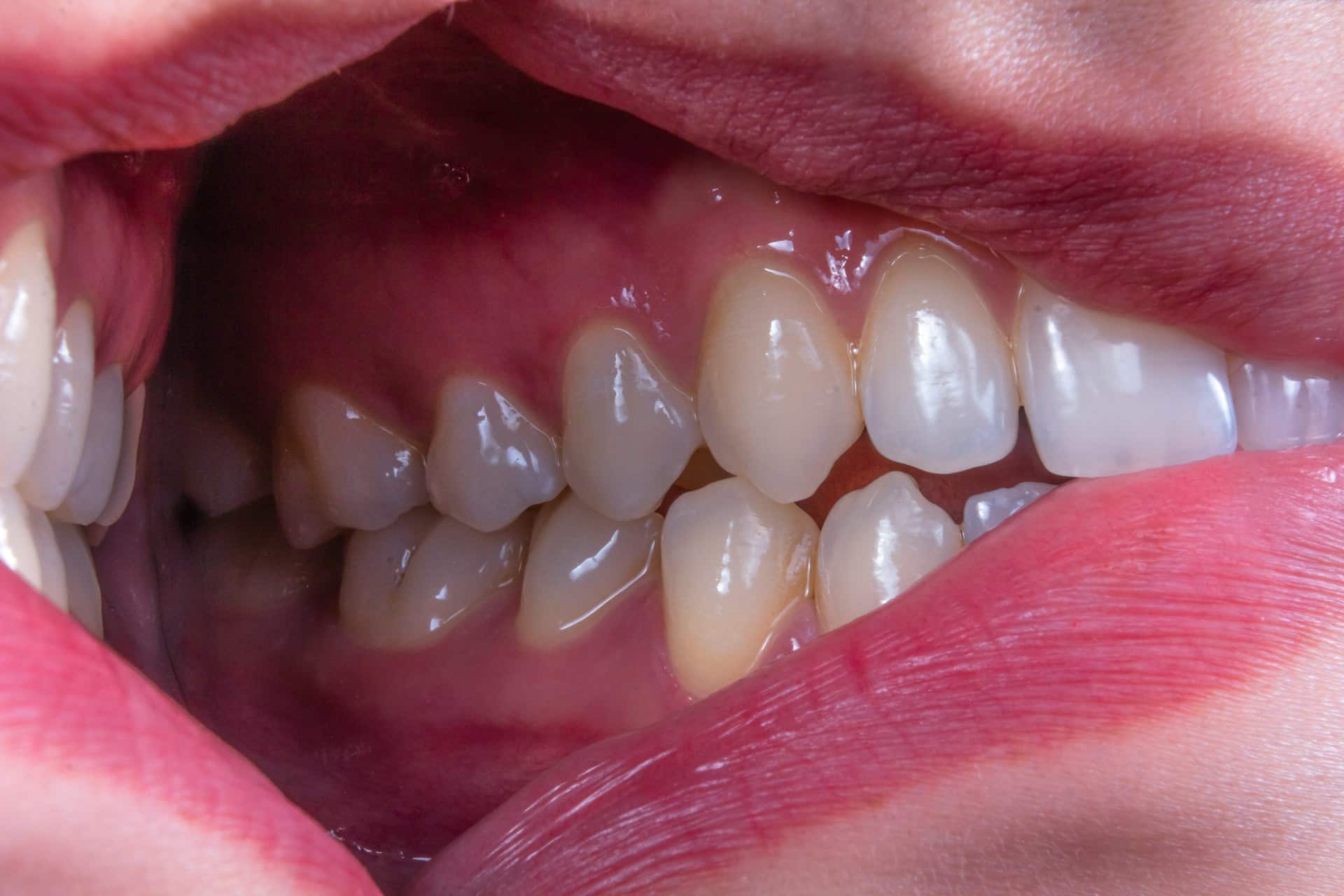
    What causes tooth sensitivity and how to prevent it

    Dental sensitivity is a real annoyance, making even simple joys like enjoying an ice cream treat unpleasant. The good news is that a healthy, pain-free smile can be maintained by using sensible methods to avoid this discomfort. 

    Knowing what causes tooth sensitivity and acting preventatively will help you protect your teeth from sensitivity and result in an improved quality of life. This extensive article from Mayfield Dental will guide you through realistic steps to how to get rid of sensitive teeth pain and improve oral health.

    Understanding Tooth Sensitivity

    Tooth sensitivity, sometimes known as dentin hypersensitivity, arises when the inner layer of the tooth (dentin) becomes exposed. Typically, enamel on the crown of the tooth and cementum on the root shield dentine. However, stimuli, including hot, cold, sweet, or acidic foods, can reach the nerves within the tooth and create strong pain when these defensive layers are compromised.

    The basic causes of tooth sensitivity are enamel degradation, gum recession, tooth decay, and even some dental work. Bad oral hygiene, intense brushing, acidic diets, and habits including tooth grinding might aggravate the problem. Understanding these components will enable you to initiate preventive measures to save your teeth.

    Proper Brushing Techniques

    One of the most regularly occurring causes of tooth sensitivity is poor brushing. Although many people think brushing harder will improve their teeth, this might instead damage the enamel and exacerbate the gums, aggravating sensitivity. Aggressive brushing can progressively wear off the enamel and cause gum recession, therefore exposing the sensitive dentin.

    Use a soft-bristled toothbrush and gently press to help stop this. Hold your toothbrush at a 45-degree angle to the gum line, and gently clean your teeth in a circular motion. Avoid back and front motions of abrasive sawing. Two minutes of brushing twice daily will help maintain dental hygiene and clear plaque without aggravating problems.

    Also important is choosing the right toothpaste. Look for toothpaste designed particularly for sensitive teeth. Often incorporating desensitising drugs like potassium nitrate or stannous fluoride, these therapies help prevent tooth surface pain signals from reaching the nerve. Regular use of this type of toothpaste could progressively reduce sensitivity.

    Mind Your Diet

    Your diet plays a significant role in keeping strong, healthy teeth. Acidic foods and drinks such as citrus fruits, tomatoes, wine, and fizzy drinks can damage enamel and expose dentin. This weakening of teeth increases sensitivity.

    Cut back on acidic foods; thereafter, rinse your mouth with water to neutralize the acids and reduce their effects. Using a straw also helps to reduce the interaction between acidic beverages and your teeth. Furthermore, avoid brushing your teeth shortly after consuming acidic meals or beverages since the enamel may be momentarily loosened and more prone to wear.

    Sugary foods and drinks can increase another major cause of sensitivity, dental decay. Choose a balanced diet of calcium, phosphorus, and vitamins to preserve oral health and strengthen enamel. Great choices are cheese, milk, leafy greens, and almonds. Including crunchy fruits and vegetables like apples and carrots can also boost saliva production and organically help clean your teeth.

    Regular Dental Check-ups

    Regular dental visits help maintain suitable oral health and minimize tooth sensitivity. During these appointments, your dentist can identify early signs of enamel erosion, gum recession, or cavities, addressing issues before they worsen.

    Your dentist may recommend preventative procedures, including dental sealants or fluoride varnishes, to save your teeth. Fluoride strengthens resistance to acid attacks by helping to remineralise damaged enamel, hence boosting sensitivity. Usually applied on the chewing surfaces of molars, sealants form a barrier against food particles and plaque.

    If you already have sensitivity, your dentist may recommend professional de-sensitising treatments with high-concentration fluoride gels or bonding agents. These treatments help to relieve pain and strengthen your teeth. Frequent dental treatment ensures rapid resolution of such problems, therefore preventing sensitivity.

    Avoid Teeth Grinding

    Over time, a common habit like teeth grinding—sometimes known as bruxism—can adversely compromise your teeth. By exposing the dentin, grinding lowers the strength of the enamel, therefore increasing the risk of sensitivity. Apart from other issues, it can lead to jaw pain and headaches.

    Many grind their teeth at night without giving it much thought. Bruxism can present as flattened teeth surfaces, broken enamel, and unexplained dental pain. See your dentist whether or not you think you grind teeth. Custom-fitted mouth-guards will help you protect your teeth from extra damage at night. Reducing grinding can also be accomplished through leisure activities or therapy for stress.

    Protect Your Gums

    Gum condition closely relates to tooth sensitivity. Gum recession exposes the roots of quite sensitive and enamel-starved teeth. Gum disease, aggressive brushing, or even genetic components can cause gum recession.

    Guard your gums with delicate brushing and flossing strokes. Avoid tobacco products, as they increase the chance of recession and gum disease. If you show indications of gum disease—such as bleeding, swelling, or persistent bad breath—see your dentist immediately. In extreme situations, your dentist may recommend a gum graft operation to cover exposed roots and reduce irritation.

    Use Fluoride Treatments

    Fluorine is a mineral essential for maintaining healthy enamel and preventing tooth decay. Fluoride treatments are an excellent way to reduce sensitivity and protect teeth.

    Professional dentist office treatments, mouth rinses, and toothpaste all help you add fluoride to your oral care program. Your dentist might suggest a high-fluoride toothpaste or apply a fluoride gel to help build your enamel during your visit. Using a fluoride mouth rinse daily at home can provide additional protection and help progressively reduce sensitivity.

    Stay Hydrated

    General health, including dental health, depends on your level of hydration. Drinking lots of water helps maintain a good salivary flow, which is crucial for teeth protection. Saliva balances acids, removes food particles and provides minerals designed to improve enamel.

    If you have dry mouth—a condition that reduces salivation flow—see your dentist for advice. They could suggest specific items to lower saliva substitutes or dryness. Drinking at least eight glasses of water every day will help you stay hydrated and preserve your general dental health, preventing sensitivity.

    Avoid Harmful Habits

    Certain actions may compromise enamel and worsen tooth sensitivity. For example, using your teeth to open bottles, shred packages, or finish other non-chews could cause chips or fractures. Chewing hard objects like ice or pencils over time can also progressively damage your enamel.

    Using tobacco and smoking are other unhealthy practices compromising your dental wellness. Tobacco products worsen gum disease risk and slow down the healing process, therefore complicating the management of sensitivity-related issues. Stopping these habits improves your dental and your entire state of health.

    Manage Sensitivity During Whitening Treatments

    Popular for enhancing your look, teeth whitening procedures can sometimes cause temporary discomfort. If you consider whitening your teeth, first see your dentist. They can recommend a course of treatment that lowers sensitivity and ensures safe, quick results.

    Using de-sensitising toothpaste both before and after whitening will help to control pain. Moreover, your dentist advises reducing the possibility of sensitivity by following his recommendations to avoid over-the-counter products involving harsh chemicals.

    Conclusion

    Together, good oral hygiene, smart nutrition, and regular dental treatment help avoid tooth sensitivity. Brushing gently, avoiding acidic foods, and staying hydrated will help you sustain a good, pain-free smile. Regular dental visits, fluoride treatments, and gum health awareness help your efforts be significantly enhanced so that your teeth remain strong and tough.

    Acting now will help you avoid the trouble and misery tooth sensitivity can bring about later on. Regular maintenance and a commitment to your dental health will enable you to enjoy all your chosen foods and drinks worry-free. Spend money on your grin; it will always pay off handsomely.

  • The Link Between Dental Health and Overall Wellbeing

    The Link Between Dental Health and Overall Wellbeing

    Your mouth is more than just a tool for eating and speaking—it’s a window into your overall health. While many people view dental care as separate from general healthcare, mounting evidence suggests that oral health is intrinsically linked to your body’s wellbeing.

    From cardiovascular disease to diabetes management, what happens in your mouth can significantly impact your entire body. Let’s explore this crucial connection and why those regular dental check-ups might be even more important than you thought.

    The Mouth as a Gateway to Your Body

    Your mouth contains hundreds of bacteria, most of which are harmless when kept in check by good oral hygiene. However, without proper brushing, flossing, and professional cleaning, these bacteria can multiply and cause oral infections like gum disease and tooth decay. These seemingly isolated dental problems can have far-reaching effects on your body.

    When your gums become inflamed due to periodontal disease, the same bacteria causing the inflammation can enter your bloodstream. Once these bacteria travel throughout your body, they can potentially contribute to various health problems. This is why dentists often say, “A healthy mouth leads to a healthy body.”

    The Heart of the Matter: Oral Health and Cardiovascular Disease

    One of the most studied connections is between gum disease and heart health. Research from both UK and international medical bodies suggests that people with periodontal disease may have a higher risk of heart disease. The inflammation caused by periodontal disease may increase inflammation throughout the body, potentially leading to:

    • Atherosclerosis (hardening of the arteries)
    • Increased risk of heart attack
    • Higher likelihood of stroke
    • Complications with existing heart conditions

    While the exact nature of this relationship is still being researched, the NHS and British Heart Foundation acknowledge the correlation between maintaining good oral health and reducing cardiovascular risks.

    Diabetes and Dental Health: A Two-Way Street

    The relationship between diabetes and oral health is particularly significant. Not only are people with diabetes more susceptible to gum disease, but severe gum disease can also make diabetes harder to control. This creates a troubling cycle:

    1. High blood sugar provides ideal conditions for infections, including gum infections
    2. Serious gum disease can increase blood sugar levels
    3. Elevated blood sugar makes it harder to fight infections, including those in the mouth
    4. The cycle continues, complicating both conditions

    For diabetic patients, maintaining excellent oral hygiene and regular dental check-ups isn’t just about preventing cavities—it’s an essential part of managing their medical condition.

    Respiratory Health Connections

    Surprising to many, there’s growing evidence linking poor oral health to respiratory conditions. Bacteria from infected teeth and gums can be aspirated into the lungs, potentially causing or worsening:

    • Pneumonia
    • Acute bronchitis
    • COPD (Chronic Obstructive Pulmonary Disease)
    • Other respiratory infections

    This connection is particularly important for elderly individuals, people with compromised immune systems, and those with existing respiratory conditions.

    Pregnancy and Oral Health

    For expectant mothers, dental health takes on additional importance. Hormonal changes during pregnancy can increase the risk of developing gum disease, which has been associated with:

    • Premature birth
    • Low birth weight
    • Pregnancy complications

    The NHS strongly recommends that pregnant women maintain excellent oral hygiene and attend regular dental check-ups and more importantly regular hygienist appointments.

    Mental Health Benefits of Good Oral Care

    While the physical connections are well-documented, we shouldn’t overlook the significant impact dental health has on mental wellbeing. Missing, damaged, or painful teeth can affect:

    • Self-confidence and social interactions
    • Willingness to smile and express positive emotions
    • Nutritional intake due to difficulty eating certain foods
    • Overall quality of life and psychological well being

    Studies from UK universities have found correlations between poor oral health and increased rates of depression and anxiety, highlighting yet another reason to prioritise your dental care.

    The Inflammation Connection

    A common thread running through many of these connections is inflammation. Chronic inflammation from gum disease doesn’t necessarily stay confined to your mouth. This systemic inflammation may contribute to various health conditions, including:

    • Rheumatoid arthritis
    • Certain cancers
    • Alzheimer’s disease and dementia
    • Kidney disease

    Research in these areas continues to develop, but the emerging picture suggests that controlling oral inflammation may play a role in managing or preventing these serious conditions.

    Preventative Measures: Protecting Your Mouth and Body

    Given these connections, what steps can you take to protect both your oral and overall health?

    Daily Oral Hygiene

    • Brush twice daily with fluoride toothpaste
    • Clean between teeth daily with floss or interdental brushes
    • Consider using an antimicrobial mouthwash
    • Replace your toothbrush every three months

    Professional Dental Care

    • Schedule regular check-ups and hygienes (at frequencies recommended by your dentist)
    • Don’t postpone treatment for dental issues
    • Consider professional cleanings to remove plaque and tartar

    Lifestyle Choices

    • Maintain a balanced diet low in sugary foods and drinks
    • Avoid tobacco products
    • Limit alcohol consumption
    • Stay hydrated with water

    Special Considerations

    • If you have diabetes, inform your dentist and maintain tight glucose control
    • If pregnant, prioritise dental check-ups
    • If taking medications that cause dry mouth, discuss strategies with your dentist

    A Holistic Approach to Health

    The evidence is clear: your dental health and overall wellbeing are interconnected in numerous ways. By maintaining good oral hygiene, attending regular dental check-ups, and promptly addressing dental problems, you’re not just taking care of your smile—you’re investing in your total health.

    The next time you’re tempted to postpone a dental appointment or skip your evening brushing routine, remember that the benefits of good oral care extend far beyond fresh breath and white teeth. Your whole body, from your heart to your lungs and beyond, will thank you for that extra attention to your dental health.

    For personalised advice on maintaining optimal oral health or to schedule your next check-up, contact our dental practice today. Your smile—and your body—deserve nothing less than the best care possible.

  • Mayfield Dental – Top 3 Dentists in Croydon

    Mayfield Dental, South Croydon awarded Certificate of Excellence for Top 3 Dentists in Croydon London by ThreeBestRated.co.uk. We were handpicked from some of the best dentists in Croydon and received our certificate today. It was awarded based on independent customer reviews, ratings, history, (lack of) complaints, patient satisfaction, trust, cost and general excellence:

    We are committed to these values and so our consistent high quality of Dental Care in Croydon has been acknowledged by Three Best Rated. When we see our patients we believe they have a choice. So all treatment options, with the pros and cons are duly explained. That way you as the patient make an informed choice about your treatment. If there is something that you do not wish to have done then we respect that (as long as you are made aware of the potential drawbacks of not going ahead with treatment).

    We like to treat our patients the way we would want to be treated ourselves if we were patients. That way most of our patients like the service we offer.

    We offer a full range of treatment such as Invisalign and dental implants and also offer an extensive out-of-hours emergency dental service. If you have a dental emergency out of hours please call our emergency mobile on 07891 578 648. We will endeavour to see you the same day, if at all possible.