

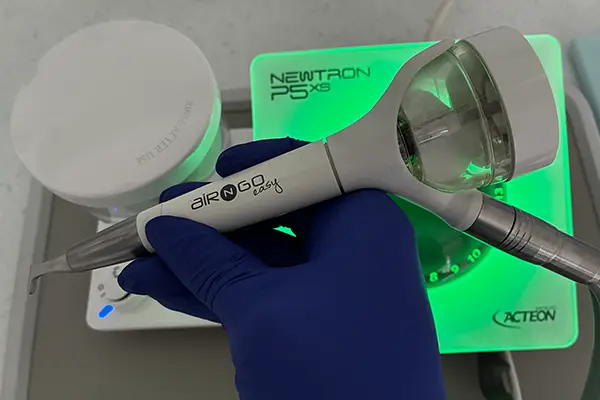
how airflow dental cleaning is changing the way our patients think about dental hygiene
“Scale and Polish” is the most dreaded part of a dental visit for most patients. The sound of scraping and the sensation of metal tools near sensitive gums can make patients feel nervous.
But what if you could achieve a brighter and fresh smile with minimal “scraping”?
If you’ve been avoiding the dental hygienist due to teeth sensitivity or dental anxiety, airflow teeth cleaning is the game-changer you’ve been waiting for.
What is Airflow Polishing and How Does It Work?
It’s like a jet polish teeth treatment! Using a gentle, controlled stream of air, water, and a fine, flavoured powder (usually sodium bicarbonate), it is designed to gently blast away plaque biofilm (that invisible bacterial layer), debris, and stubborn stains from the surfaces of your teeth.
Air polishing teeth can reach those hard-to-get areas, such as deep between your teeth and just under the gum line, that traditional scaling misses. The airflow teeth cleaning powder is now available in different flavours like mint and raspberry, making the experience much more pleasant.
Is Airflow teeth cleaning worth it?
Patients often ask if Airflow is “worth it” as they compare the cost with an NHS clean or regular private hygiene. While an airflow dental session might cost slightly more than a basic cleaning, the combination of minimal sensitivity/pain, instant brightening, and superior bacteria film removal makes it one of the highest-value treatments in modern dentistry. It is typically faster and more thorough as it reaches 100% of the tooth surface.
Airflow Teeth Cleaning Side Effects
Most effects are very minor and typically resolve within 24–48 hours:
- Gum tenderness: Gums can feel slightly sore, especially if there was some previous gingivitis.
- Minor Bleeding: Removing biofilm can cause slight bleeding if gums are already inflamed.
- Gritty feeling: There may be a slight residue of powder post-cleaning, which is easily rinsed away.
What not to do after Airflow?
Following Airflow treatment, your teeth are more porous for a few hours and can stain again easily.
For 3 hours after your appointment, we advise avoiding:
- Staining foods or drinks: Including coffee, tea, red wine, curry, beetroot, and berries.
- Smoking or vaping
- Acidic foods: Such as citrus fruits or sparkling water.
- Abrasive toothpastes: Do not use gritty “whitening” pastes immediately after treatment.
When to Avoid Airflow Dental Hygiene?
While air polishing teeth is very safe, it should be avoided or delayed for patients with:
- Respiratory diseases like severe asthma or URTIs (Upper Respiratory Tract Infections).
- Young children (typically under 10) who may accidentally ingest the powder.
- Extensive, untreated dental caries (decay) or unstable/severe periodontal disease (both require a specialised treatment plan first).
Can Airflow remove all types of stains?
Airflow can remove extrinsic stains mainly caused by diet and lifestyle like smoking and tea/coffee. However, it cannot remove intrinsic stains caused by internal aging (teeth get yellow as we age), medication stains, discolouration from tooth trauma or fluorosis. For these you may need professional tooth whitening or veneers.
Ready for a Brighter, Cleaner Smile?
Stop dreading the “scrape” of a traditional hygiene clean and start enjoying the “glow” of Airflow Polishing – fast, comfortable, and provides immediate results you can see and feel. Call our friendly receptionist on 0208 657 1291 to find out more.

Dr. Deepali Patel
Principal dentist at Mayfield Dental
BDS (Lond) 2006 | GDC No. 103927
related articles
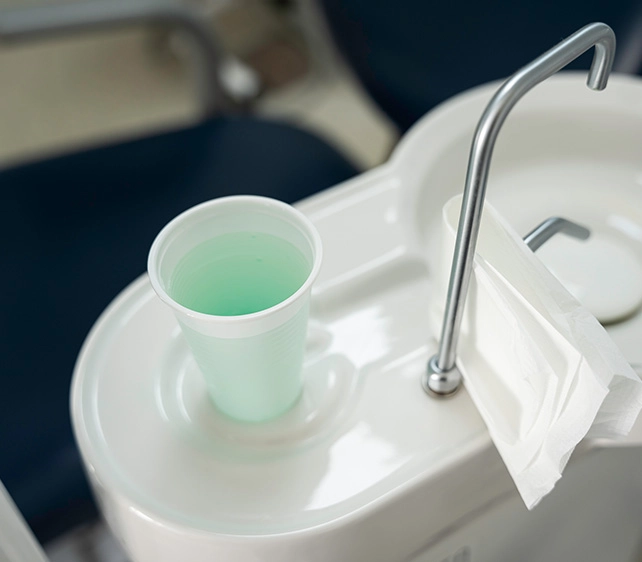
Dental Hygiene
Schedule a classic hygiene teeth cleaning to remove plaque and tartar for healthier teeth and stronger gums.
Clean, Scale & Polish
Air Polishing
We offer a similar air polishing treatment to Airflow using advanced alternative technology to gently remove stains and biofilm.
Gentle Stain Removal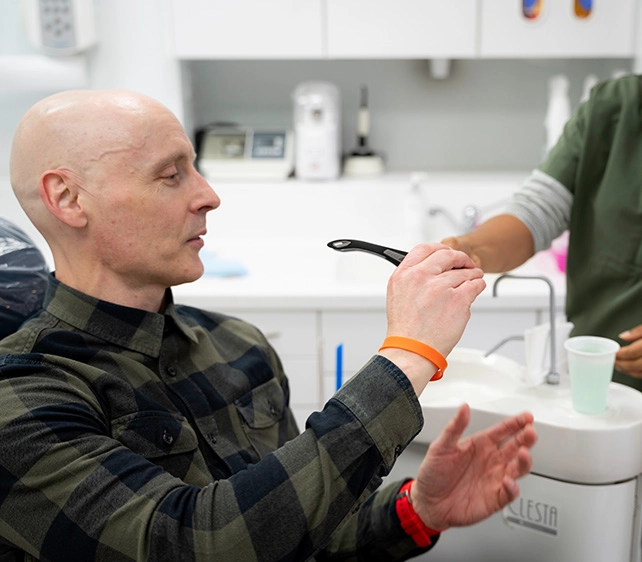
Dental Check ups
Dental check ups alert you to any potential concerns that might be developing, which we can help prevent becoming long-term issues.
Oral Health Check