


This wisdom tooth guide covers common wisdom tooth problems and symptoms, how to relieve pain at home before you see a dentist, what you need to know about the procedure and what to do after an extraction.
How long does it take for a wisdom tooth to come in?
Wisdom teeth start coming through usually between the age of 17 and 21 years. They are the last teeth to come through, if at all.
Wisdom teeth do not always cause problems, but are no longer necessary in modern times; where historically they served a purpose when humans foraged for foods like twigs and tough, raw meats.
Can wisdom teeth cause serious problems?
Wisdom teeth can cause problems because there simply is not enough room for them in modern human jaws. Many years ago people had larger jaws, now we tend to have jaws which are too small for all 32 teeth to fit. 28 teeth is often the most we have room for.
When there is not enough space for Wisdom Teeth to come through, they can emerge at awkward angles or become impacted (trapped beneath the gums), leading to a variety of dental complications:
- If impacted they will cause overcrowding and upset the alignment and straightness of other teeth which will put undue pressure on surrounding teeth, causing them to twist and rotate.
- Twisted or rotated teeth are also more difficult to clean and therefore more prone to decay.
- If the wisdom tooth is only partially erupted, there is a risk of getting an infection under the gum, which can get sore, swollen and inflamed. Bacteria and bits of food can collect under the gum edge; this is when infections can occur.
Regular professional teeth cleaning appointments with a dental hygienist can help flush out the areas where a toothbrush simply can’t reach.
How do I know if something is wrong with my wisdom teeth?
Wisdom teeth can cause pain, swelling, infection and difficulty cleaning the back of your mouth. If you are experiencing discomfort around your wisdom teeth, a dentist can take X-rays to assess whether they are impacted, infected, causing decay or damaging neighbouring teeth.
Common signs of wisdom tooth problems include:
- Jaw stiffness or pain near an impacted tooth.
- Pain or irritation from a tooth at the back coming in at an awkward angle and rubbing against the side of your mouth or tongue.
- A swelling that feels infected gum tissue that has formed on top of an impacted tooth that has broken partly through the gum.
- Crowding of other teeth.
- Tooth decay or signs of gum disease, this can be caused through difficulty in wisdom teeth cleaning and the surrounding areas due to their location.
If you’re experiencing unbearable wisdom tooth pain, consider an urgent dental appointment to assess the area.
How to stop wisdom tooth pain
For initial wisdom tooth pain relief at home before your dentist appointment, you can try:
- Clove oil – for a natural remedy.
- Over counter Painkillers – can temporarily relieve pain and discomfort.
- A salt water rinse – several times a day can be effective.
- Wisdom teeth cleaning – ensuring you clean your teeth as thoroughly as you can, as trapped food can exacerbate the pain from the wisdom tooth and also increase your chance of developing an infection.
Professional Advice on wisdom teeth
Watch and listen to our dental expert Deepali, sharing invaluable professional insights on understanding wisdom tooth pain

Dr. Deepali Patel
Principal dentist at Mayfield Dental
BDS (Lond) 2006 | GDC No. 103927
Deepali is passionate about patient education, providing you with the tools to make informed decisions about your oral health.
How can your Dentist help?
- A check-up or emergency dental assessment with your dentist initially where an X-ray will be taken will determine the position of your Wisdom Teeth.
- Your Dentist can also advise if you could benefit from hygiene cleans and explain how you can take care of your erupting Wisdom Teeth by cleaning around them and showing you how to manage effective cleaning at home.
- Your dentist can recommend specific mouth washes, special dental cleaning tools and prescribe antibiotics if required.
- They can advise you on extracting the wisdom tooth/teeth.
Is it worth going private for wisdom teeth removal?
Yes, many people choose to go private for wisdom tooth extraction to avoid long NHS waiting lists. While private treatment costs more, appointments are usually available sooner and often provide a more personalised, un-rushed experience. The procedure itself is typically the same as NHS treatment.
How are Wisdom Teeth removed?
If your Wisdom Tooth has come through fully then extraction can be as simple as any other tooth. Upper Wisdom Teeth are often easier to remove than lower ones, which are more likely to be impacted.
If the tooth is hidden underneath the gum and is not fully erupted then it may need to be extracted through a surgical excision. Often Wisdom Teeth are extracted in sections, rather than trying to remove it in one go. This dissection of the tooth in your mouth ensures complete extraction and the cleanest technique.
Extractions can also be performed while patients are under sedation but this option requires a Dentist or Oral Surgeon who specialises in using sedation drugs. At Mayfield Dental we would refer you to our trusted in-house oral surgeon whom we have worked with for many years for sedation and tooth removal procedures.
During and after the procedure you will be given instructions on what to do after an extraction, prevent an occurrence of dry socket (a painful condition that can happen after tooth removal) and you can refer to our tooth extraction aftercare guide.
How long does it take to remove wisdom teeth?
If only one wisdom tooth is being extracted, the procedure may take around 20-30 minutes.
Should Wisdom Teeth be removed routinely?
Tooth removal is not routine, if there is enough room they can come through into a useful position and cause no more problems than any other tooth.
How painful is a wisdom tooth removal?
You shouldn’t feel any pain as your wisdom teeth are removed because the area will be numb from local anaesthetic. You may feel some pressure just before the tooth is removed.
Your dentist or oral surgeon will make sure you feel as comfortable as possible and will answer any questions you may have about the removal procedure.
How long do I recover from wisdom teeth removal?
You may experience some swelling for a few days and mild discomfort.
The amount of discomfort will depend on how easy it was to remove the tooth and if you have more than one tooth removed at the time.
It is important that you follow any advice you are given which will help with the healing process.
Over counter painkillers such as paracetamol or ibuprofen will usually help with any pain. There may be some stitches to help the gum heal over. Your Dentist will probably want to check in with you about a week later to check how your mouth is healing, and to remove any stitches.
In Croydon with Wisdom tooth pain?
At Mayfield Dental, you have the convenience of getting wisdom teeth removal at our South Croydon practice with our specialist oral surgeon.
If you think you may be affected by a problematic wisdom tooth give us a call on 0208 657 1291 or 07891 578648.
related articles

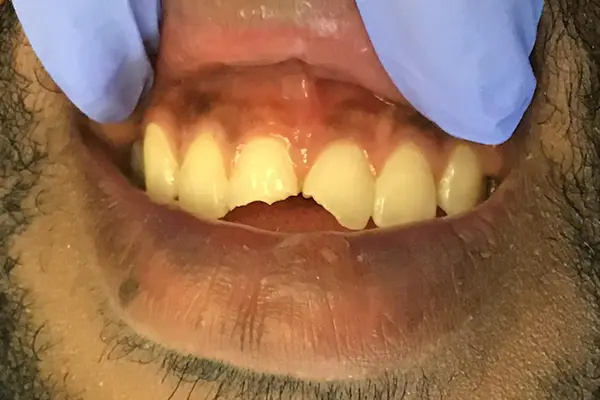
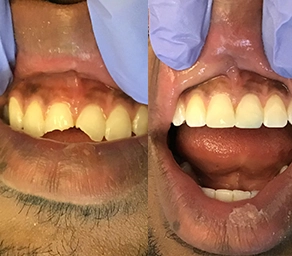
Dental Emergencies
Experiencing unmanageable pain or tooth damage? Whether you need a same day appointment or be seen within 24 hours we’re here to help.
Urgent Dental Care
Tooth extraction
A straightforward procedure, followed by aftercare that includes rest and gentle care of the extraction site.
About Tooth Extractions
Root Canal Treatment
A tooth-saving treatment to relieve pain, clean out infection and preserve your natural teeth effectively.
Save My Tooth