Tag: sensitive teeth

  • 9 Warning Signs of Gum Disease You Shouldn’t Ignore

    9 Warning Signs of Gum Disease You Shouldn’t Ignore

    Gum disease (periodontal disease) is actually very common, and ignoring early signs of gum disease can significantly impact not just the appearance of your teeth, but your overall health as well.

    What are early signs of gum disease I should look out for?

    It’s important to catch gum disease early on with regular oral care and dental visits for effective periodontal disease management. Look out for these 9 warning signs of gum disease:

    1. Bleeding Gums When Brushing
    2. Red, Swollen, or Tender Gums
    3. Persistent Bad Breath
    4. Gums Pulling Away from Teeth
    5. Tooth sensitivity
    6. Teeth feel loose or are shifting
    7. Pain or Discomfort When Chewing
    8. Changes in Your Bite
    9. Dental Abscesses or Pus

    1. Bleeding Gums When Brushing

    Your gums shouldn’t bleed when you brush or eat. If you regularly see blood on your toothbrush or in the sink after brushing, it could be an early sign of oral inflammation, known as gingivitis, the first stage of gum disease and bleeding gums from plaque. 
    Even if it doesn’t hurt, bleeding gums indicate your mouth isn’t as healthy as it should be. Regular dental check ups can help keep this issue small and easy to fix.

    2. Red, Swollen, or Tender Gums

    Normally, your gums should look firm and pink. If they’re red, swollen, or feel sore when touched, this usually means they’re irritated or inflamed. Swollen gums might not seem like a big deal, especially if they’re not painful. But they’re your body’s way of telling you something isn’t quite right. 

    3. Persistent Bad Breath

    Gum disease often causes constant bad breath (halitosis) because bacteria are building up in your mouth. Bad breath can be embarrassing, but it can also mean something more serious.

    If regular brushing, flossing, and mouthwash do not seem to work, it might be time to seek professional help. Persistent bad breath often points to gum disease, and it’s unlikely to clear up on its own.

    4. Gums Pulling Away from Teeth

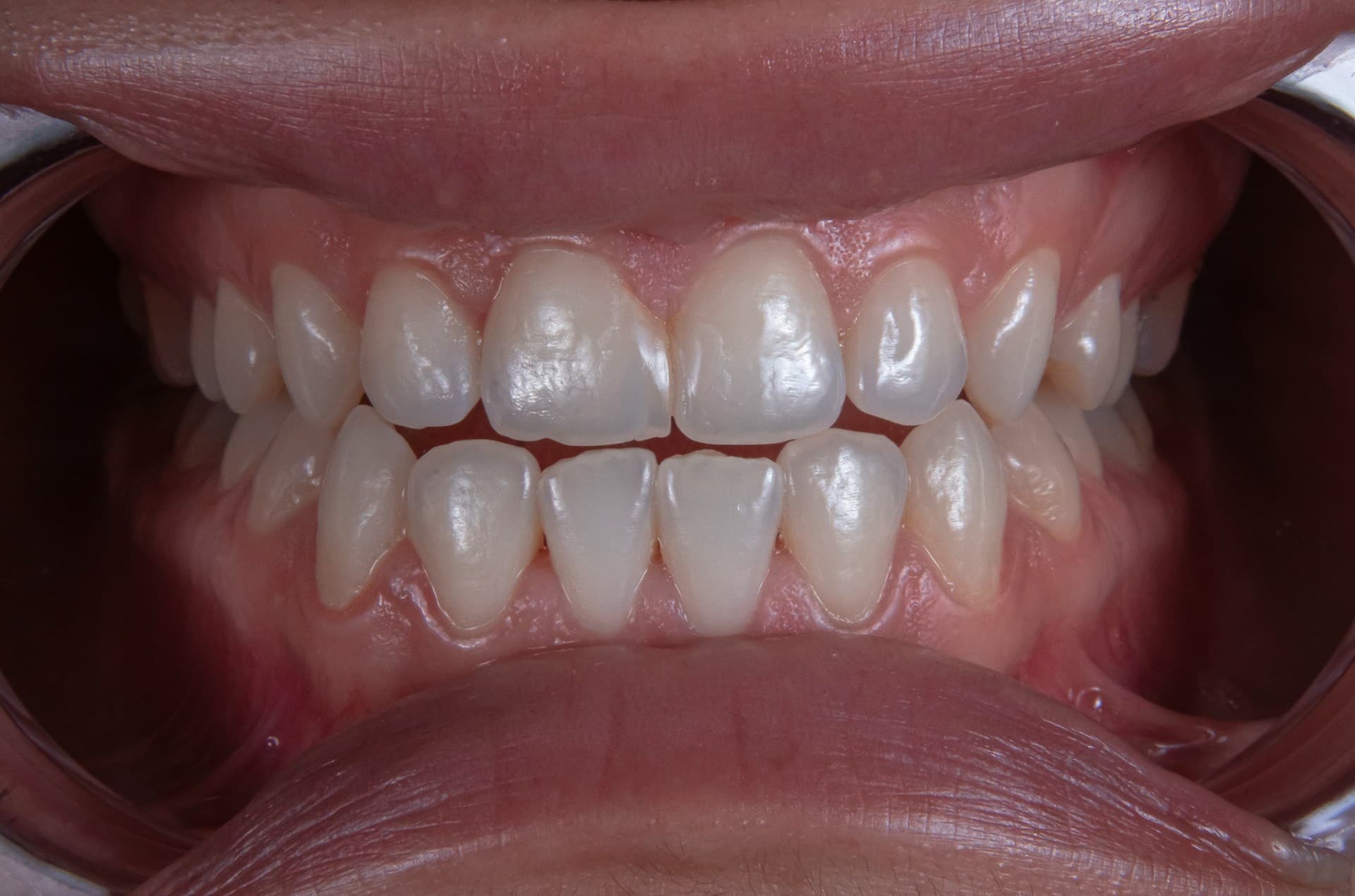
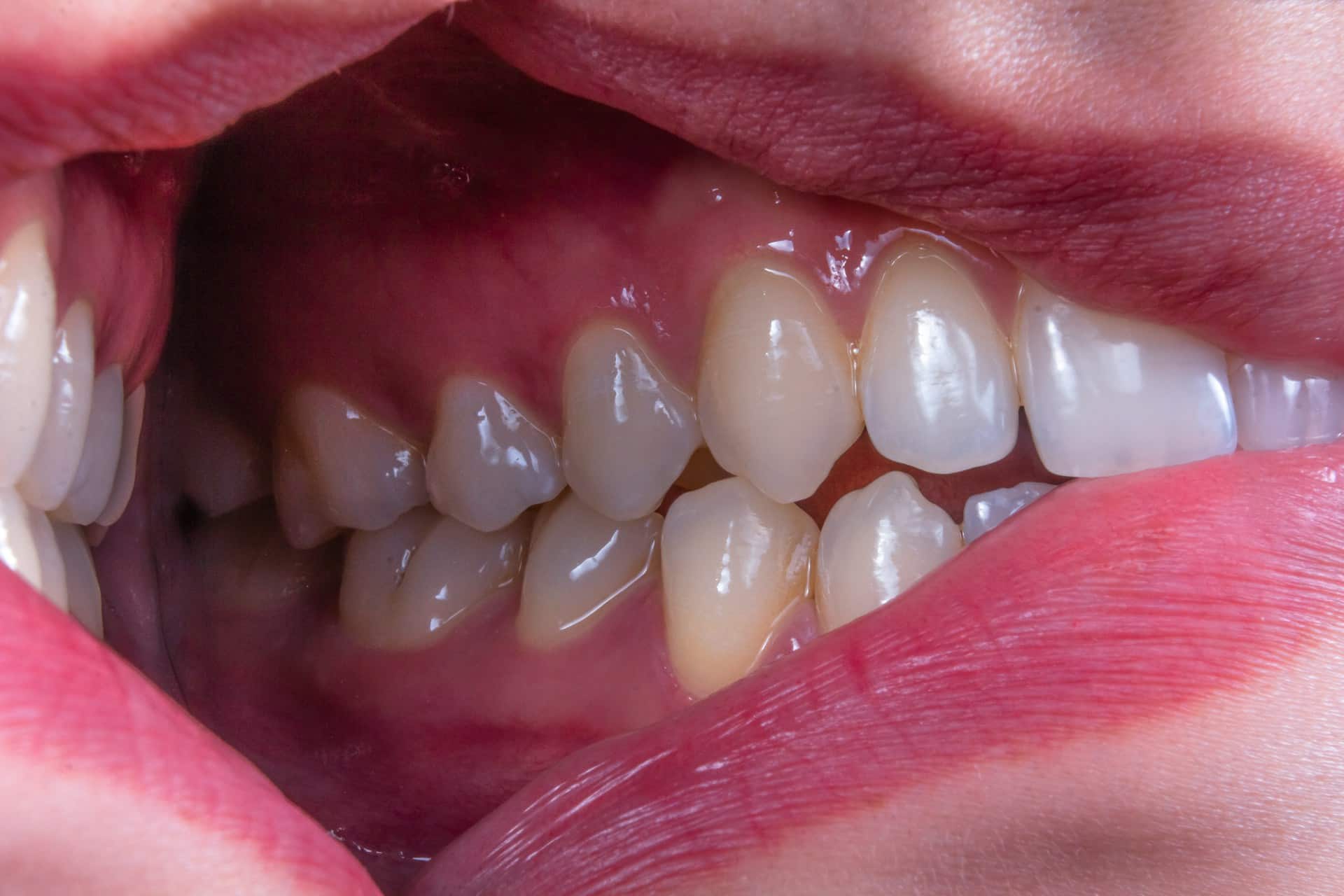
    Gum recession occurs when your gums start to recede or pull back from your teeth, making teeth look longer or expose parts of the root.

    This isn’t just a cosmetic problem; it’s a major warning sign of gum disease. Receding gums can also lead to more sensitive teeth, especially noticeable when you eat or drink hot or cold foods.If you notice your gums pulling back, visit your dentist soon. Early action can stop further recession and prevent permanent damage.

    5. Tooth sensitivity

    If your teeth suddenly feel more sensitive, especially when you have hot or cold foods or drinks, gum disease might be the cause. Receding gums expose the sensitive tooth roots, leading to increased discomfort.

    Sensitivity isn’t something you should brush off as a minor inconvenience. If the sensitivity keeps getting worse or doesn’t go away, it’s best to check with your dentist.

    Identifying sensitivity early can help address underlying gum problems, protecting your teeth from further damage.

    6. Teeth feel loose or are shifting

    Your teeth should feel solid and firmly in place. If you notice a tooth becoming loose or shifting out of position, gum disease might be weakening the tissues and bones holding your teeth in place.

    Loose teeth are often a sign of advanced periodontitis. At this stage, inflammation has become serious, and you risk losing teeth if you don’t act fast.

    Spotting loose teeth early greatly improves your chances of saving them. Immediate dental attention is essential to prevent further damage.

    7. Pain or Discomfort When Chewing

    Feeling pain or discomfort when you chew isn’t normal. This could mean gum disease is causing inflammation or even infection beneath your gums.

    Ignoring this pain isn’t wise because it often signals deeper problems. Inflamed or hidden gum infections can cause lasting damage if not treated promptly.

    8. Changes in Your Bite

    Sometimes gum disease can change the way your teeth fit together when you bite. You might notice your teeth shift or your bite feeling different. These changes can seem subtle at first, but they’re often signs of gum disease affecting the bones beneath your gums.

    If you have dentures, you might notice they fit differently or feel uncomfortable, which can also be linked to gum issues.

    9. Dental Abscesses or Pus

    A dental abscess is a pocket of pus caused by a bacterial infection. Common causes of dental abscesses include:

    • Deep cavities (holes in your teeth)
    • Cracked teeth
    • Gum disease

    Without treatment, it can damage the surrounding bone and even lead to more serious health complications like sepsis. If you notice any pus, you should seek immediate dental care.

    Gum abscesses show bacteria have deeply infected your gums. Ignoring abscesses can cause infections to spread further into your jaw or even your bloodstream, leading to serious health complications.

    How can I treat early signs of gum disease?

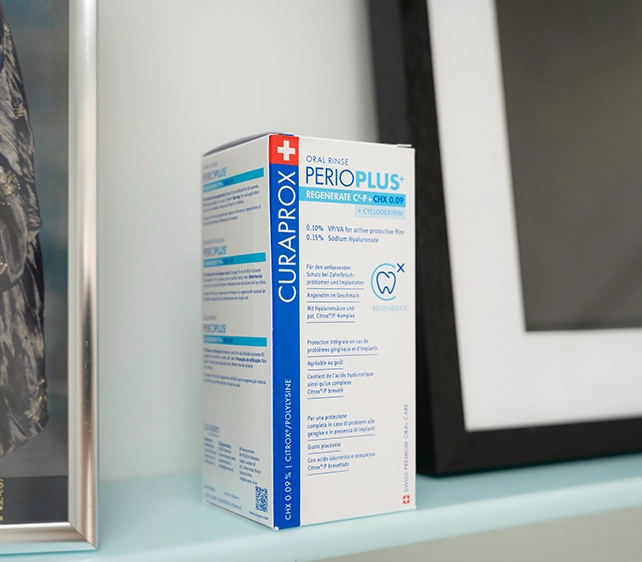
    Depending on severity of the condition, for early gum disease (gingivitis), we may recommend a professional scale and polish, help advise you in brushing and flossing technique and or to use an antibacterial mouthwash or toothpaste.

    Early intervention often means we can save the tooth. If you’re feeling discomfort, don’t wait for it to “get better” on its own.  A quick visit to your dentist and following their treatment plan can help control symptoms of gum disease, save your teeth and keep your oral health in check.

    related articles

    Croydon Periodontist

    Periodontist

    Our periodontist specialises in preventing, diagnosing, and treating gum disease. Learn more about our prolonged gum treatment.

    Advanced gum treatment   

    Tooth extraction

    Tooth extraction

    A straightforward procedure, followed by aftercare that includes rest and gentle care of the extraction site.

    About Tooth extractions   
    dental hygiene

    Dental Hygiene

    Schedule a classic hygiene teeth cleaning or upgrade to AirFlow for an advanced ultra fresh finish which cleans the most stubborn teeth stains.

    About Teeth Cleaning   
  • What causes tooth sensitivity and how to prevent it

    What causes tooth sensitivity and how to prevent it

    Dental sensitivity is a real annoyance, making even simple joys like enjoying an ice cream treat unpleasant. The good news is that a healthy, pain-free smile can be maintained by using sensible methods to avoid this discomfort. 

    Knowing what causes tooth sensitivity and acting preventatively will help you protect your teeth from sensitivity and result in an improved quality of life. This extensive article from Mayfield Dental will guide you through realistic steps to how to get rid of sensitive teeth pain and improve oral health.

    Understanding Tooth Sensitivity

    Tooth sensitivity, sometimes known as dentin hypersensitivity, arises when the inner layer of the tooth (dentin) becomes exposed. Typically, enamel on the crown of the tooth and cementum on the root shield dentine. However, stimuli, including hot, cold, sweet, or acidic foods, can reach the nerves within the tooth and create strong pain when these defensive layers are compromised.

    The basic causes of tooth sensitivity are enamel degradation, gum recession, tooth decay, and even some dental work. Bad oral hygiene, intense brushing, acidic diets, and habits including tooth grinding might aggravate the problem. Understanding these components will enable you to initiate preventive measures to save your teeth.

    Proper Brushing Techniques

    One of the most regularly occurring causes of tooth sensitivity is poor brushing. Although many people think brushing harder will improve their teeth, this might instead damage the enamel and exacerbate the gums, aggravating sensitivity. Aggressive brushing can progressively wear off the enamel and cause gum recession, therefore exposing the sensitive dentin.

    Use a soft-bristled toothbrush and gently press to help stop this. Hold your toothbrush at a 45-degree angle to the gum line, and gently clean your teeth in a circular motion. Avoid back and front motions of abrasive sawing. Two minutes of brushing twice daily will help maintain dental hygiene and clear plaque without aggravating problems.

    Also important is choosing the right toothpaste. Look for toothpaste designed particularly for sensitive teeth. Often incorporating desensitising drugs like potassium nitrate or stannous fluoride, these therapies help prevent tooth surface pain signals from reaching the nerve. Regular use of this type of toothpaste could progressively reduce sensitivity.

    Mind Your Diet

    Your diet plays a significant role in keeping strong, healthy teeth. Acidic foods and drinks such as citrus fruits, tomatoes, wine, and fizzy drinks can damage enamel and expose dentin. This weakening of teeth increases sensitivity.

    Cut back on acidic foods; thereafter, rinse your mouth with water to neutralize the acids and reduce their effects. Using a straw also helps to reduce the interaction between acidic beverages and your teeth. Furthermore, avoid brushing your teeth shortly after consuming acidic meals or beverages since the enamel may be momentarily loosened and more prone to wear.

    Sugary foods and drinks can increase another major cause of sensitivity, dental decay. Choose a balanced diet of calcium, phosphorus, and vitamins to preserve oral health and strengthen enamel. Great choices are cheese, milk, leafy greens, and almonds. Including crunchy fruits and vegetables like apples and carrots can also boost saliva production and organically help clean your teeth.

    Regular Dental Check-ups

    Regular dental visits help maintain suitable oral health and minimize tooth sensitivity. During these appointments, your dentist can identify early signs of enamel erosion, gum recession, or cavities, addressing issues before they worsen.

    Your dentist may recommend preventative procedures, including dental sealants or fluoride varnishes, to save your teeth. Fluoride strengthens resistance to acid attacks by helping to remineralise damaged enamel, hence boosting sensitivity. Usually applied on the chewing surfaces of molars, sealants form a barrier against food particles and plaque.

    If you already have sensitivity, your dentist may recommend professional de-sensitising treatments with high-concentration fluoride gels or bonding agents. These treatments help to relieve pain and strengthen your teeth. Frequent dental treatment ensures rapid resolution of such problems, therefore preventing sensitivity.

    Avoid Teeth Grinding

    Over time, a common habit like teeth grinding—sometimes known as bruxism—can adversely compromise your teeth. By exposing the dentin, grinding lowers the strength of the enamel, therefore increasing the risk of sensitivity. Apart from other issues, it can lead to jaw pain and headaches.

    Many grind their teeth at night without giving it much thought. Bruxism can present as flattened teeth surfaces, broken enamel, and unexplained dental pain. See your dentist whether or not you think you grind teeth. Custom-fitted mouth-guards will help you protect your teeth from extra damage at night. Reducing grinding can also be accomplished through leisure activities or therapy for stress.

    Protect Your Gums

    Gum condition closely relates to tooth sensitivity. Gum recession exposes the roots of quite sensitive and enamel-starved teeth. Gum disease, aggressive brushing, or even genetic components can cause gum recession.

    Guard your gums with delicate brushing and flossing strokes. Avoid tobacco products, as they increase the chance of recession and gum disease. If you show indications of gum disease—such as bleeding, swelling, or persistent bad breath—see your dentist immediately. In extreme situations, your dentist may recommend a gum graft operation to cover exposed roots and reduce irritation.

    Use Fluoride Treatments

    Fluorine is a mineral essential for maintaining healthy enamel and preventing tooth decay. Fluoride treatments are an excellent way to reduce sensitivity and protect teeth.

    Professional dentist office treatments, mouth rinses, and toothpaste all help you add fluoride to your oral care program. Your dentist might suggest a high-fluoride toothpaste or apply a fluoride gel to help build your enamel during your visit. Using a fluoride mouth rinse daily at home can provide additional protection and help progressively reduce sensitivity.

    Stay Hydrated

    General health, including dental health, depends on your level of hydration. Drinking lots of water helps maintain a good salivary flow, which is crucial for teeth protection. Saliva balances acids, removes food particles and provides minerals designed to improve enamel.

    If you have dry mouth—a condition that reduces salivation flow—see your dentist for advice. They could suggest specific items to lower saliva substitutes or dryness. Drinking at least eight glasses of water every day will help you stay hydrated and preserve your general dental health, preventing sensitivity.

    Avoid Harmful Habits

    Certain actions may compromise enamel and worsen tooth sensitivity. For example, using your teeth to open bottles, shred packages, or finish other non-chews could cause chips or fractures. Chewing hard objects like ice or pencils over time can also progressively damage your enamel.

    Using tobacco and smoking are other unhealthy practices compromising your dental wellness. Tobacco products worsen gum disease risk and slow down the healing process, therefore complicating the management of sensitivity-related issues. Stopping these habits improves your dental and your entire state of health.

    Manage Sensitivity During Whitening Treatments

    Popular for enhancing your look, teeth whitening procedures can sometimes cause temporary discomfort. If you consider whitening your teeth, first see your dentist. They can recommend a course of treatment that lowers sensitivity and ensures safe, quick results.

    Using de-sensitising toothpaste both before and after whitening will help to control pain. Moreover, your dentist advises reducing the possibility of sensitivity by following his recommendations to avoid over-the-counter products involving harsh chemicals.

    Conclusion

    Together, good oral hygiene, smart nutrition, and regular dental treatment help avoid tooth sensitivity. Brushing gently, avoiding acidic foods, and staying hydrated will help you sustain a good, pain-free smile. Regular dental visits, fluoride treatments, and gum health awareness help your efforts be significantly enhanced so that your teeth remain strong and tough.

    Acting now will help you avoid the trouble and misery tooth sensitivity can bring about later on. Regular maintenance and a commitment to your dental health will enable you to enjoy all your chosen foods and drinks worry-free. Spend money on your grin; it will always pay off handsomely.