

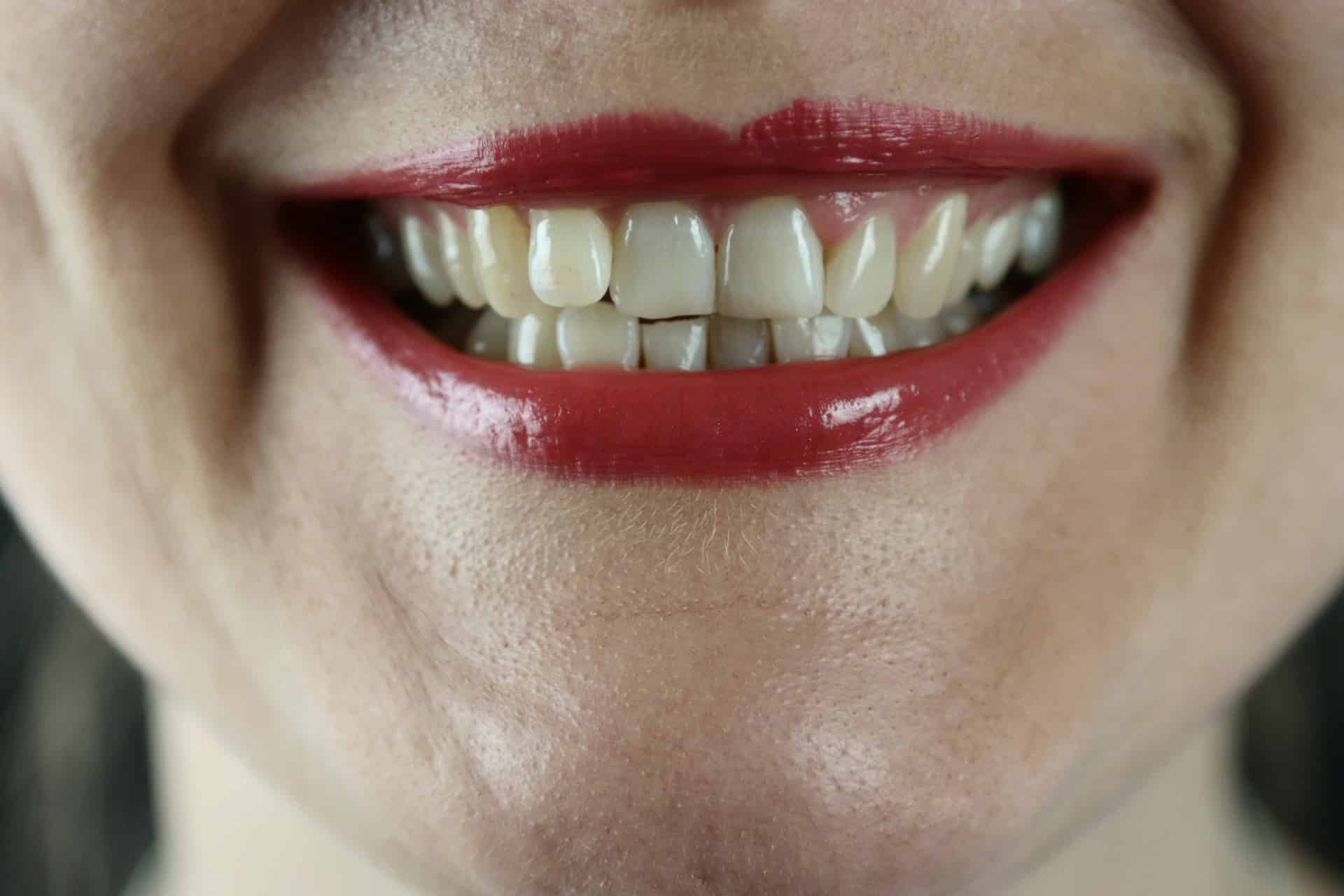
Though they appear minor, bleeding gums could point to far more serious medical issues and not to be ignored. Many people assume the odd appearance of blood during brushing or flossing is normal or transient. Maintaining oral health or general well-being depends on knowing what causes bleeding gums and the possible repercussions.
The Common Causes of Bleeding Gums
Bleeding gums can result from several factors, from minor habits to more serious medical problems. Gingivitis, the first stage of gum disease, is the most often occurring cause. When plaque, a sticky film of germs, builds up on the teeth, gingivitis follows. Without constant brushing and flossing, plaque builds into tartar, aggravating the gums and leading to swelling and bleeding.
Incorrect brushing methods can also cause bleeding gums. Aggressive brushing with a toothbrush with rough bristles might harm delicate gum tissue. Although complete dental cleanliness is important, a softer toothbrush with soft bristles can help avoid needless damage.
Some drugs raise the risk of gum bleeding. For instance, blood thinners lessen the blood’s ability to clot, thereby facilitating gum bleeding. See your doctor to find out whether there is a relationship if you recently began taking new medications and find bleeding gums.
Hormonal changes, particularly during pregnancy, puberty, or menopause, can make gums more sensitive and bleeding-prone. Changing hormone levels increase blood flow to the gums, which causes inflammation and higher sensitivity. Often called pregnancy gingivitis, this disorder emphasizes the need for maintaining great oral hygiene throughout these times.
The Link Between Bleeding Gums and Gum Disease
Ignoring bleeding gums can open the path for more severe gum disease, most especially periodontitis. A major infection called periodontitis compromises the teeth’s supporting structures—including the jawbone—as well as the gums. Mild inflammation can turn into something entirely different that causes lasting damage.
Ignorance of gingivitis leaves periodontitis developing. The gums draw away from the teeth to create pockets where germs flourish. These pockets deepen with time, aggravating more gum recession and, finally, tooth loss. The effects go beyond the mouth; untreated periodontitis can cause jawbone degradation, changing face structure and complicating further dental operations.
Early intervention helps prevent gum disease from advancing. Regular dental visits are crucial for early warning of problems like bleeding or inflamed gums. A dentist can treat the issue properly, counsel on better dental hygiene practices, and eliminate tartar buildup.
The Connection to Systemic Health Issues
Bleeding gums can indicate more general health issues than only dental problems. Research on gum disease and systemic diseases, including heart disease, diabetes, and stroke, is mounting and ties them together. Gum disease’s inflammation can pass into the bloodstream and either aggravate or cause certain diseases.
For example, because their capacity to fight infections is compromised, persons with diabetes can have more gum disease. Conversely, untreated gum disease can complicate blood sugar control, which fuels a loop that aggravates both diseases. Gum inflammation can similarly raise the risk of cardiovascular problems by aggravating arterial plaque development, therefore increasing the possibility of heart attacks or strokes.
These links show the reasons bleeding gums should never be taken for granted. They are a possible sign of systematic inflammation as much as a specific issue. Early resolution of the problem will help your general health in ways you might not first think about.
The Importance of Proper Oral Hygiene
The basis of stopping and managing bleeding gums is good oral hygiene. You cannot change brushing your teeth at least twice daily using fluoride toothpaste. Daily flossing is equally crucial for removing food particles and plaque from between teeth—where a toothbrush cannot reach.
One easy but sometimes neglected habit is routinely changing your toothbrush. Worn-out bristles can aggravate gum tissue and are less efficient in cleaning. If the bristles on your toothbrush start to fray, dentists usually advise changing it every three to four months or sooner.
An antimicrobial mouthwash can also aid in clearing mouth bacteria, minimizing gum inflammation risk. Though it’s not a replacement for brushing and flossing, mouthwash is an excellent complement to your regimen for preserving gum health.
Regular dental trips are essential. During these visits, your dentist can perform professional cleanings to remove tartar, spot early gum problems, and provide customized recommendations for your oral care regimen. Many people wait until they are uncomfortable or in pain to see the dentist, but preventive treatment helps to prevent issues from getting worse.
The Role of Diet in Gum Health
Your gums’ health directly relates to what you eat. Diets heavy in sugar and processed carbohydrates feed the development of plaque, raising the risk of gum disease. Reducing sweet drinks and snacks can clearly make a difference.
Conversely, a balanced diet high in vital minerals helps gum health. Particularly helpful is vitamin C since it lessens gum inflammation and helps heal connective tissue. Great sources are fruits, including strawberries, kiwis, and oranges. Another essential vitamin is calcium since it supports the bones supporting teeth. Among good choices include dairy products, almonds, and leafy greens.
Maintaining hydration is similarly vital. Between brushing, water helps clear food particles and bacteria from your mouth. It also increases salivary flow, which naturally guards your gums and teeth.
The Impact of Lifestyle Choices
Gum condition is primarily influenced by lifestyle choices. Among the most harmful habits you engage in regarding your gums is smoking. It slows blood flow, making healing your gums more difficult and increasing susceptibility to infections. Since smoking can disguise symptoms like bleeding, smokers are more prone to gum disease and less likely to observe the warning signals.
Quitting smoking is one of the best things you can do for your gums and general health. The advantages of the process are well worth it, even if it can be demanding. These include better gum health, cleaner breath, and a lower risk of major diseases.
Gum issues can also be caused in part by stress. High stress reduces your immune system, which increases your susceptibility to gum disease, among other illnesses. Whether your preferred method of stress management is exercise, meditation, or hobbies, your oral health can benefit.
When to Seek Professional Help
Although better dental hygiene usually helps to control minor bleeding, persistent or severe bleeding is a warning sign. Don’t hesitate to get expert guidance if your gums bleed regularly, are quite swollen, or cause pain. These symptoms could point to advanced gum disease or some underlying condition needing quick attention.
Dentists perform several procedures to treat gum issues. Deep cleaning, scaling, and root planing are common treatments that clear tartar and plaque from behind the gum line. Severe cases may require surgical intervention to restore gum health and prevent further damage.
Ignoring ongoing symptoms could cause consequences that are more difficult and costly to address. Frequent dental appointments guarantee early identification of any disorders, therefore lowering the long-term risk.
Conclusion
Although they seem small, bleeding gums are sometimes a clue to more serious problems. Ignoring this sign can broadly affect gum disease to systemic health issues. You may safeguard your gums and general health with appropriate oral hygiene, a wholesome diet, and sensible lifestyle choices.
Always remember to floss and brush daily, eat a diet high in vitamins and minerals, and see your dentist often. Don’t undervalue how closely habits like cutting out smoking or controlling stress affect your gum health. See a doctor sooner rather than later if you have ongoing bleeding or other strange symptoms.
These actions not only protect your gums but also help your whole body to be in harmony. Though they may not often call for attention, your gums are very important for your health. Treat them with the respect they deserve, and years to come will see a confident, healthy grin returned to you.