

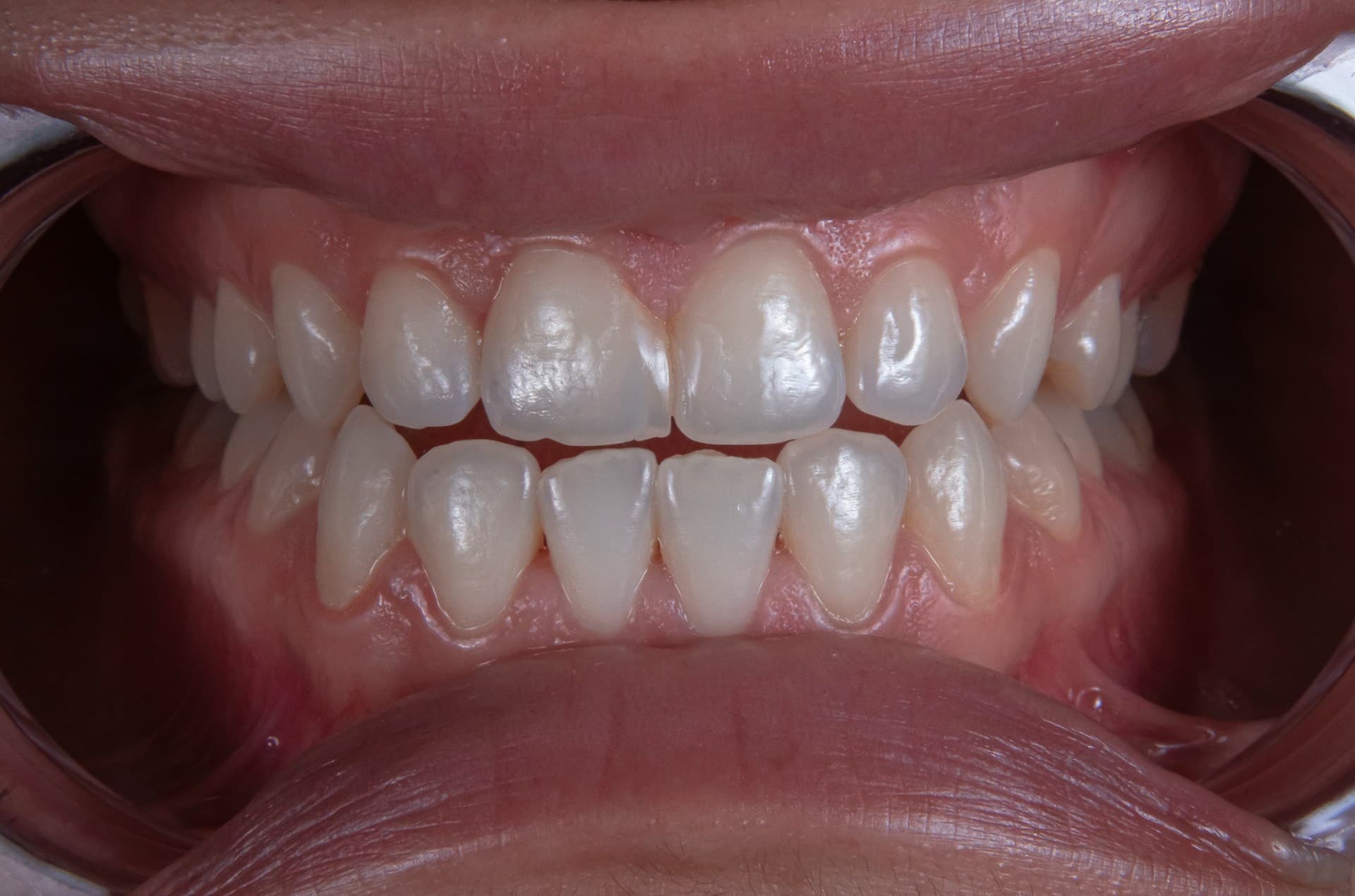
Gum disease (periodontal disease) is actually very common, and ignoring early signs of gum disease can significantly impact not just the appearance of your teeth, but your overall health as well.
What are early signs of gum disease I should look out for?
It’s important to catch gum disease early on with regular oral care and dental visits for effective periodontal disease management. Look out for these 9 warning signs of gum disease:
- Bleeding Gums When Brushing
- Red, Swollen, or Tender Gums
- Persistent Bad Breath
- Gums Pulling Away from Teeth
- Tooth sensitivity
- Teeth feel loose or are shifting
- Pain or Discomfort When Chewing
- Changes in Your Bite
- Dental Abscesses or Pus
1. Bleeding Gums When Brushing
Your gums shouldn’t bleed when you brush or eat. If you regularly see blood on your toothbrush or in the sink after brushing, it could be an early sign of oral inflammation, known as gingivitis, the first stage of gum disease and bleeding gums from plaque.
Even if it doesn’t hurt, bleeding gums indicate your mouth isn’t as healthy as it should be. Regular dental check ups can help keep this issue small and easy to fix.
2. Red, Swollen, or Tender Gums
Normally, your gums should look firm and pink. If they’re red, swollen, or feel sore when touched, this usually means they’re irritated or inflamed. Swollen gums might not seem like a big deal, especially if they’re not painful. But they’re your body’s way of telling you something isn’t quite right.
3. Persistent Bad Breath
Gum disease often causes constant bad breath (halitosis) because bacteria are building up in your mouth. Bad breath can be embarrassing, but it can also mean something more serious.
If regular brushing, flossing, and mouthwash do not seem to work, it might be time to seek professional help. Persistent bad breath often points to gum disease, and it’s unlikely to clear up on its own.
4. Gums Pulling Away from Teeth
Gum recession occurs when your gums start to recede or pull back from your teeth, making teeth look longer or expose parts of the root.
This isn’t just a cosmetic problem; it’s a major warning sign of gum disease. Receding gums can also lead to more sensitive teeth, especially noticeable when you eat or drink hot or cold foods.If you notice your gums pulling back, visit your dentist soon. Early action can stop further recession and prevent permanent damage.
5. Tooth sensitivity
If your teeth suddenly feel more sensitive, especially when you have hot or cold foods or drinks, gum disease might be the cause. Receding gums expose the sensitive tooth roots, leading to increased discomfort.
Sensitivity isn’t something you should brush off as a minor inconvenience. If the sensitivity keeps getting worse or doesn’t go away, it’s best to check with your dentist.
Identifying sensitivity early can help address underlying gum problems, protecting your teeth from further damage.
6. Teeth feel loose or are shifting
Your teeth should feel solid and firmly in place. If you notice a tooth becoming loose or shifting out of position, gum disease might be weakening the tissues and bones holding your teeth in place.
Loose teeth are often a sign of advanced periodontitis. At this stage, inflammation has become serious, and you risk losing teeth if you don’t act fast.
Spotting loose teeth early greatly improves your chances of saving them. Immediate dental attention is essential to prevent further damage.
7. Pain or Discomfort When Chewing
Feeling pain or discomfort when you chew isn’t normal. This could mean gum disease is causing inflammation or even infection beneath your gums.
Ignoring this pain isn’t wise because it often signals deeper problems. Inflamed or hidden gum infections can cause lasting damage if not treated promptly.
8. Changes in Your Bite
Sometimes gum disease can change the way your teeth fit together when you bite. You might notice your teeth shift or your bite feeling different. These changes can seem subtle at first, but they’re often signs of gum disease affecting the bones beneath your gums.
If you have dentures, you might notice they fit differently or feel uncomfortable, which can also be linked to gum issues.
9. Dental Abscesses or Pus
A dental abscess is a pocket of pus caused by a bacterial infection. Common causes of dental abscesses include:
- Deep cavities (holes in your teeth)
- Cracked teeth
- Gum disease
Without treatment, it can damage the surrounding bone and even lead to more serious health complications like sepsis. If you notice any pus, you should seek immediate dental care.
Gum abscesses show bacteria have deeply infected your gums. Ignoring abscesses can cause infections to spread further into your jaw or even your bloodstream, leading to serious health complications.
How can I treat early signs of gum disease?
Depending on severity of the condition, for early gum disease (gingivitis), we may recommend a professional scale and polish, help advise you in brushing and flossing technique and or to use an antibacterial mouthwash or toothpaste.
Early intervention often means we can save the tooth. If you’re feeling discomfort, don’t wait for it to “get better” on its own. A quick visit to your dentist and following their treatment plan can help control symptoms of gum disease, save your teeth and keep your oral health in check.
Visit your same day emergency dentist in South Croydon today
If you’re experiencing pain or worried your symptoms of gum disease may be getting worse – at Mayfield Dental, we reserve daily slots for emergency care to ensure you get relief fast. Our team specialises in gentle, effective treatment to stop the pain. Request a call back or message us instantly via WhatsApp.
related articles
Periodontist
Our periodontist specialises in preventing, diagnosing, and treating gum disease. Learn more about our prolonged gum treatment.
Advanced gum treatment
Tooth extraction
A straightforward procedure, followed by aftercare that includes rest and gentle care of the extraction site.
About Tooth extractions
Dental Hygiene
Schedule a classic hygiene teeth cleaning or upgrade to AirFlow for an advanced ultra fresh finish which cleans the most stubborn teeth stains.
About Teeth Cleaning