Category: General Dentistry

General Dentistry Archives for Mayfield Dental

  • The Importance of Regular Dental Check Ups

    The Importance of Regular Dental Check Ups

    Maintaining good dental hygiene goes beyond just producing a nice smile. Maintaining healthy teeth and gums depends mostly on regular dental check ups, which also help to detect early indicators of more serious problems. Many, however, delay their visits, usually underestimating the long-term effects.

    Key takeaway: Regular dental check ups help prevent small issues from escalating, contribute to overall oral health, and reduce the likelihood of expensive treatments later.

    Stopping Oral Health Problems Before They Get Started

    Early detection is one of the key advantages of frequent visits. Though initially painless, early dental decay, mild gum irritation, or minimal enamel degradation can get worse silently. Dentists are educated to catch these problems before they become unnecessarily expensive or uncomfortable.

    Ignoring or delaying appointments might cause issues that could have been easily addressed. For instance, a small cavity left untreated might result in subsequent root canal therapy. Preventive maintenance saves money and time as well as avoiding needless suffering.

    Routine cleanings scheduled for your appointment also help to clear plaque accumulation. Good brushing techniques notwithstanding, some regions are difficult to adequately clean. Untreated, plaque becomes tartar, only something a specialist can eliminate.

    Maintaining Confidence and Fresh Breath

    Not just humiliating, bad breath — also known as halitosis — may point to underlying problems. Usually connected to gum disease or trapped bacteria under the gum line is constant bad breath. Professional cleaning, advice on daily care and routine visits minimise these issues.

    Good teeth help one to develop confidence. Imagine showing a grin free from concern for missing teeth or stains. Whether with whitening, minor repairs, or polishing, dentists can advise procedures to keep your smile looking new.

    Furthermore, little lifestyle changes based on dental recommendations can help avoid long-term breath issues, therefore relieving daily peace of mind.

    Finding Hidden Problems

    Not every dental issue is visually obvious. Some disorders, including impacted teeth, bone loss, or early stage minor infections, start under the surface. X-rays taken during your check up pick up hidden details to avoid things being missed.

    Many dentist visits also include regular oral cancer checks. Early discovery of anomalies greatly raises the possibility of minimally invasive and effective treatment. Ignoring this section of your regular visit, could catch things like oral cancer in its infancy stages.

    The issues a routine dental appointment may reveal is amazing. What would seem to be mild sensitivity could point to a more major underlying dental issue.

    Maintaining Gum Condition

    Chronic gum disease is responsible for 70% of tooth loss in adults in the UK.  Beginning as moderate gingivitis—red or swollen gums that bleed readily—it can develop into periodontitis, in which case the bone around teeth dissolves, resulting in gums to recede and teeth eventually becoming loose.

    Frequent visits guarantee that early-stage gum disease is identified and managed before it advances. Prevention tips and treatments meant to lower inflammation and eradicate germs come from hygienists and dentists.

    Untreated gum infections can spread and compromise your general health. Studies have shown that dental health affects more than just your mouth and has connected gum disease to disorders like heart disease, diabetes and inflammatory bowel disease.

    Enhancing Everyday Routines

    A check up transcends the events in the dentist’s chair. It also presents a chance to seek tailored guidance. Dentists and dental hygienists can highlight places where your flossing or brushing technique might be improved.

    They might find, for example, that you use the incorrect toothbrush, miss some areas, or press too hard. Little edits to your regimen can have a significant impact. These suggestions suited to your needs guarantees that you are keeping strong teeth and gums between visits.

    Often preventing long-term problems, this advice saves you from future pitfalls. It’s like a preventative health check that keeps you free from problems.

    Controlling Dental Problems Related to Stress

    Your dental health may suffer surprisingly from day to day stress. Bruxism—that is, teeth grinding—often goes unreported until damage is obvious. Worn teeth, jaw ache, cracked teeth and even broken fillings could follow on from this.

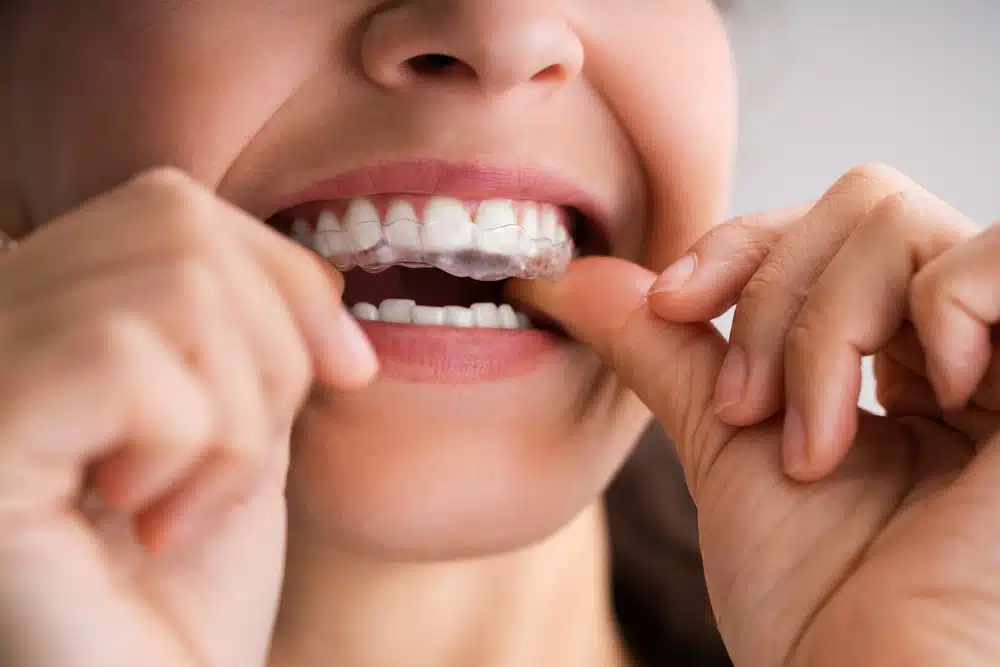
    Regular check ups let dentists spot symptoms of clenching or grinding and provide remedies. A bespoke mouthguard worn at night can stop more damage and spare you from expensive repairs.

    Certain dentists also offer guidance on handling associated conditions such TMJ (temporomandibular joint) disorders or stress headaches. Dealing with stress-related issues during your visit will help you to feel more comfortable generally.

    Taking Care of Children’s Long-Term Oral Health

    Children’s regular visits enable early on the development of positive habits. Children are particularly prone to cavities especially due to the current habits of snacking.  Learning correct brushing early on in life helps set the tone for good dental care for life. Early tooth problems caught help to avoid more major treatments down-stream.

    For young patients, pediatric dentists concentrate on providing a good experience to foster trust. Children who link the dentist with routine, enjoyable visits instead of crises are more likely to carry on excellent practices as adults.

    Preventive therapies such as sealants or fluoride application treatments help children also by strengthening their teeth and lowering their risk of decay.

    Steering Clear of Expensive Surprises

    Regular dental visits enable you to budget for any future treatments rather than having to deal with unplanned, surprise costs. Early discovery of a problem usually results in simpler, faster, less expensive remedies.

    Ignoring minor issues nearly invariably results in more major interventions. For a little cavity, for instance, filling it costs significantly less than root canal treatment or replacing a tooth. Preventive treatment is like a wise investment that helps you avoid big debt down the road.

    To help make frequent visits more reasonably priced, treatment can be prioritised and spread over a few months. For example you can wait a month or so after root canal treatment before getting a crown put over it, enabling you to follow your dental treatment plan without worrying about expensive expenditures all in one go.

    Final Thoughts

    Regular dental visits are about preserving your general health, conserving money, and keeping your smile strong rather than only about avoiding discomfort. While you feel good, it’s simple to postpone check ups; yet, waiting too long can cause avoidable issues.

    Twice a year, a basic 30-minute appointment for a dental check up, hygiene and fluoride treatment helps avoid future significant headaches (and toothaches). Though little, this action makes a big difference. Giving frequent check ups a priority will help you to maximize your chances for lifetime oral health and peace of mind.

    Here at Mayfield Dental, you can trust our exceptional service and patient-focused care. We offer comprehensive dental check ups, advanced treatments, and personalised advice, making us the top choice for maintaining oral health and addressing any concerns with professionalism and ease.

  • What is air polishing for teeth?

    What is air polishing for teeth?

    While a gentle technique, air polishing (airflow dental cleaning) removes stains from the surface of teeth, as well as trapped food debris and plaque build-up from between the teeth.

    Having clean teeth is very important to our health and plays a big part in the way we look and feel about ourselves, as well as how others look at us. Regular visits to the dental hygienist either for a traditional hygiene scale and polish or the newer faster, gentler, effective air polishing treatments are essential to maintain healthy teeth and gums. The majority of our patients at Mayfield Dental visit us for regular air polishing teeth cleans on a 3-6 monthly basis to keep their gums at optimum health. 

    Is scaling & air polishing better than a standard scale & polish?

    While scaling is essential for removing the hard tartar (calculus) that causes bone loss, Air-Flow provides the “detailing” by removing stubborn stains and soft bacteria. At Mayfield Dental, this combination is a patient favourite for several reasons:

    • Superior Stain Removal: If you enjoy red wine, tea, or coffee, Air-Flow removes these stains much more effectively and gently than a traditional rotating rubber cup and gritty paste.
    • Effective Biofilm Removal: It clears away Biofilm—the invisible, sticky layer of bacteria—more thoroughly than scaling alone. This biofilm is often the main culprit behind bad breath and bleeding gums.
    • Kind to Restorations: If you have dental implants, crowns, or veneers, Air-Flow is significantly gentler on these surfaces than metal instruments, eliminating the risk of microscopic scratches.
    • No “Gritty” Aftertaste: Traditional polishing uses a thick, sandy paste. Air-Flow feels much cleaner, involving only a fine mist that leaves the mouth feeling instantly refreshed.

    The Verdict: If you want your teeth to feel the cleanest and look the brightest while minimising the discomfort of heavy scraping, adding AirFlow (air polishing) to your routine is the superior choice. However, a scale is still required first to remove the hard deposits that a pressurised spray cannot move. 

    Is Air Polishing teeth Safe?

    Yes, air polishing is widely considered very safe and is actually gentler on your teeth than traditional scaling methods.

    Why air polishing is a safer choice:

    • Non-abrasive: It avoids the physical friction of metal tools, meaning there is less risk of discomfort or damage to crowns, veneers, and implants.
    • Reduced Sensitivity: Because there is minimal physical contact from scraping tools, the process is far more comfortable for those with sensitive teeth.
    • Kind to Gums: The pressurised spray is much gentler on your soft tissues than manual instruments.

    Important Safety Considerations 

    While safe for most, please let your clinician know if you have any of the following, as we may need to take extra precautions:

    • Respiratory Conditions: Such as asthma or COPD, as the fine mist can occasionally cause irritation.
    • Active Infections: If you have open sores or wounds in the mouth, it is best to wait until these have fully healed.
    • Medical Conditions: If you have Addison’s disease, Cushing’s disease, high blood pressure, or kidney issues, please inform us. Some polishing powders contain sodium which can affect electrolyte balance or salt restrictions.

    Check with your air polishing Hygienist

    Ask your dentist or hygienist and they will able to confirm if air polishing is suitable for you. This is especially important for you if you have sensitive teeth or are receiving dental treatments that could make a standard clean or a deeper scale and polish more difficult, particularly in the case for braces and fixed retainers. 

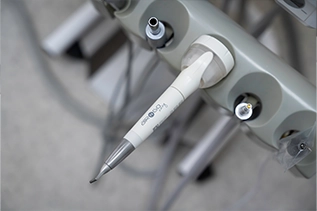
    air polishing hand piece and powders for airflow hygiene cleaning

    air polishing teeth procedure

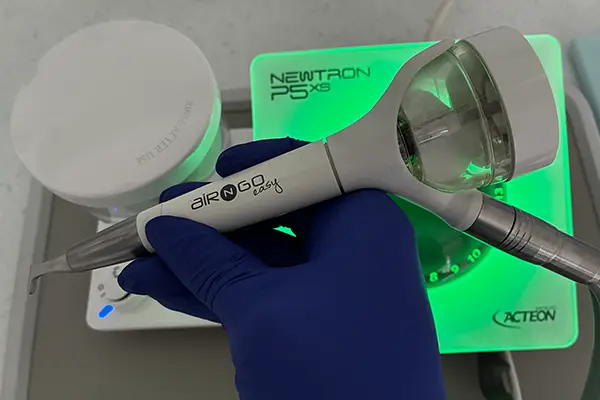
    We use a specialised hand-piece that emits a controlled “jet” of three components:

    • Compressed Air: The propellant.
    • Water: To keep the tooth surface cool and hydrated.
    • Fine Powder:  Specially formulated fine powder designed to remove stains and bacteria gently.

    Unlike traditional tools, this hand-piece doesn’t rotate or vibrate. The jet reaches deep into the tight gaps between teeth; where stubborn stains often hide from a traditional scale and polish, and moves slightly under the gum line with gentle precision.

    What does it feel like? You will feel a cool, pressurised spray on your teeth and gums. Most of our patients describe it as a refreshing “tickling” or “massage” sensation rather than a dental cleaning!

    Does air polishing whiten teeth?

    Not exactly. While air polish dental cleaning removes deep surface stains to reveal your teeth’s natural brightness (often making them look 1–2 shades lighter instantly), it doesn’t change the internal colour of your teeth like professional whitening gels do. It is, however, the perfect “prep” treatment before starting a professional whitening course. 

    Not exactly. While air polish dental cleaning removes deep surface stains to reveal your teeth’s natural brightness (often making them look 1–2 shades lighter instantly), it doesn’t change the internal colour of your teeth like professional whitening gels do. It is, however, the perfect “prep” treatment before starting a professional whitening course. 

    Why Air Polishing is Essential for orthodontic Braces & Fixed Retainers

    If you are wearing a permanent brace to help straighten your teeth, it can be difficult to reach all of your teeth with a toothbrush. Cleaning around brackets, wires, and retainers with traditional scaling tools is notoriously difficult, making air polishing the most effective hygiene tool for these patients. Some of the benefits include:

    • A “360-Degree” Clean Fixed brackets and retainers create “dead zones” where a toothbrush simply cannot reach. The pressurised spray swirls around wires and behind brackets, flushing out food particles and the bacteria that cause “white spots” (decalcification) if allowed to build up.
    • Protecting Your High-Risk Zones Fixed retainers are known for rapid tartar build-up, turning the area into a high-risk zone for gum disease. Air polishing reaches deep under the bonded wires and into the interdental gaps, flushing out soft plaque before it hardens into tartar.
    • Safe for Your Appliances Brackets and retainers are attached to your teeth using composite adhesive “nuggets.” While manual scraping with metal tools can sometimes stress or weaken these bonds, air polishing cleans effectively while preserving the integrity of the glue holding your appliance in place.
    • Preventing Gum Recession If you have a fixed retainer, we recommend a hygiene appointment every 4 to 6 months. Because these wires are permanent, the plaque that collects around them is a leading cause of localised gum recession in adults.

    Does AirFlow hurt with braces?

    No, most people with braces and fixed retainers find AirFlow to be significantly more comfortable than traditional scaling. Because there is minimal to no scraping against the teeth or brackets, there is less sensitivity and pressure. The treatment uses a gentle “hissing” sound rather than high-pitched vibrations (great for nervous patients) and involves no poking for those with inflamed gums. It’s a much kinder way to clear the plaque build-up that often occurs during orthodontic treatment. 

    dr deepali patel

    Dr. Deepali Patel

    Principal dentist at Mayfield Dental

    BDS (Lond) 2006 | GDC No. 103927

    related articles

    dental hygiene

    Dental Hygiene

    Schedule a classic hygiene teeth cleaning to remove plaque and tartar for healthier teeth and stronger gums.


    Clean, Scale & Polish
    dental hygiene

    Air Polishing

    We offer a similar air polishing treatment to Airflow using advanced alternative technology to gently remove stains and biofilm.

    Gentle Stain Removal
    dental checkups

    Dental Check ups

    Dental check ups alert you to any potential concerns that might be developing, which we can help prevent becoming long-term issues.

    Oral Health Check
  • Why you could benefit from wearing a mouth guard

    Why you could benefit from wearing a mouth guard

    • Decreases the chances of damage to teeth and gums from grinding and clenching
    • Reduces risk of teeth being knocked out or damaged in contact sports
    • May benefit you if you suffer from mild to moderate sleep apnoea

    Mouth-guards were originally just used for protection when participating in contact sports, but have since proved beneficial for other reasons. Please read to find out more….

    Grinding and clenching your teeth at night

    Grinding and clenching your teeth while sleeping can be caused by stress and we are not always aware that we are doing it, especially at night! This is known as sleep bruxism which over time can result in several unwanted dental issues such as chipped teeth, cracked teeth and jaw disorders. This can also lead to headaches, migraines and severe facial pain.

    Custom made mouth-guards are designed to keep your upper and lower teeth apart, to prevent tooth wear and reduce the tension in your jaw muscles. Below are some tell-tale signs of teeth grinding and clenching;

    Sore face and jaw ache in the morning

    The muscles in your face, neck and jaw can take on additional stress overnight, essentially taking this extra work on can result in a sore face and neck in the morning. This can occasionally lead to a swollen aching jaw as well as stiffness and pain when eating.

    Waking up with a headache

    If you wake up with a painful headache this could be a sign of grinding or clenching. They can be a result of the pressure that builds up in the jaw as your teeth rub together. These headaches usually start in the temples and if left untreated can intensify into migraines. You may also experience toothaches, earaches, and even shoulder pain.

    Chipped teeth without knowing cause

    If you notice any chipped teeth, this may be happening over time at night. Grinding and clenching puts a lot of pressure on your teeth, which eventually results in tooth damage. Even the healthiest of teeth can only take so much. It is important to be aware of any of chipped teeth, cracked teeth or sudden sensitivity.

    Woken up by an aching jaw

    Night grinding and clenching can interrupt your sleep. A sore face and jaw ache can be enough to wake you up in the night. Sleep disruption caused by night grinding and clenching, over time can also affect your general health and wellbeing. For overall health a good night sleep is essential.

    A mouth-guard may also help with mild to moderate Sleep Apnoea.

    While a mouth-guard cannot control sleep apnoea, this will usually improve your sleep. It is important to wear a custom made mouth-guard from your dentist who will initially discuss your unique situation and assess whether a mouth-guard could be of benefit to you.

    Can participating in contact sports risk significant damage to your teeth?

    You would be wise to use a mouth-guard if you play contact sports such as football, rugby, lacrosse, hockey, martial arts and boxing etc. Such sports which are competitive and on impact, collision is very likely to occur.

    Extreme dental damage can be prevented by wearing a mouth-guard which will significantly reduce your risk of broken teeth and damaged gums. The mouth-guard can help absorb a blow to the jaw, preventing fractured jaw, concussion, neck injuries, and cerebral hemorrhage.

    Without a mouth-guard, your teeth and dental restorations are more likely to break, chip, fracture, or get knocked out.

    A Custom Fit Mouth-guard will protect your teeth

    Online cheaper versions of mouth-guards rarely fit correctly, therefore, will not be as effective or comfortable to wear. The best option is a custom fit mouth-guard from your dentist.

    A custom fit mouth-guard is made specifically for you, to guarantee a perfect fit. This means it will protect your teeth effectively and your oral health for years to come.

    How do we make your mouth-guard?

    Here at Mayfield Dental we use an in-house dental scanner. It is a small handheld device which is used to capture images of the inside of your mouth. A 3D scan allows us to view dental anatomy from different angles which instantly produce a 3D simulation of your teeth and gums. We then send the images to our trusted laboratories where they will make your mouth-guard and have it back to us in no time!

    If you would like to know more about how you may benefit from a mouth-guard please give us a call at

    Mayfield Dental on 020 8657 1291 or 07891 578648.

  • wisdom teeth removal – all you need to know

    wisdom teeth removal – all you need to know

    This wisdom tooth guide covers common wisdom tooth problems and symptoms, how to relieve pain at home before you see a dentist, what you need to know about the procedure and what to do after an extraction.

    How long does it take for a wisdom tooth to come in?

    Wisdom teeth start coming through usually between the age of 17 and 21 years. They are the last teeth to come through, if at all. 

    Wisdom teeth do not always cause problems, but are no longer necessary in modern times; where historically they served a purpose when humans foraged for foods like twigs and tough, raw meats.

    Can wisdom teeth cause serious problems?

    Wisdom teeth can cause problems because there simply is not enough room for them in modern human jaws. Many years ago people had larger jaws, now we tend to have jaws which are too small for all 32 teeth to fit. 28 teeth is often the most we have room for.

    When there is not enough space for Wisdom Teeth to come through, they can emerge at awkward angles or become impacted (trapped beneath the gums), leading to a variety of dental complications:

    • If impacted they will cause overcrowding and upset the alignment and straightness of other teeth which will put undue pressure on surrounding teeth, causing them to twist and rotate.
    • Twisted or rotated teeth are also more difficult to clean and therefore more prone to decay.
    • If the wisdom tooth is only partially erupted, there is a risk of getting an infection under the gum, which can get sore, swollen and inflamed. Bacteria and bits of food can collect under the gum edge; this is when infections can occur.

    Regular professional teeth cleaning appointments with a dental hygienist can help flush out the areas where a toothbrush simply can’t reach.

    How do I know if something is wrong with my wisdom teeth?

    Wisdom teeth can cause pain, swelling, infection and difficulty cleaning the back of your mouth. If you are experiencing discomfort around your wisdom teeth, a dentist can take X-rays to assess whether they are impacted, infected, causing decay or damaging neighbouring teeth.

    Common signs of wisdom tooth problems include:

    • Jaw stiffness or pain near an impacted tooth.
    • Pain or irritation from a tooth at the back coming in at an awkward angle and rubbing against the side of your mouth or tongue.
    • A swelling that feels infected gum tissue that has formed on top of an impacted tooth that has broken partly through the gum.
    • Crowding of other teeth.
    • Tooth decay or signs of gum disease, this can be caused through difficulty in wisdom teeth cleaning and the surrounding areas due to their location.

    If you’re experiencing unbearable wisdom tooth pain, consider an urgent dental appointment to assess the area.

    How to stop wisdom tooth pain

    For initial wisdom tooth pain relief at home before your dentist appointment, you can try:

    1. Clove oil – for a natural remedy.
    2. Over counter Painkillers – can temporarily relieve pain and discomfort.
    3. A salt water rinse – several times a day can be effective.
    4. Wisdom teeth cleaning – ensuring you clean your teeth as thoroughly as you can, as trapped food can exacerbate the pain from the wisdom tooth and also increase your chance of developing an infection.

    Professional Advice on wisdom teeth

    Watch and listen to our dental expert Deepali, sharing invaluable professional insights on understanding wisdom tooth pain

    dr deepali patel

    Dr. Deepali Patel

    Principal dentist at Mayfield Dental

    BDS (Lond) 2006 | GDC No. 103927

    Deepali is passionate about patient education, providing you with the tools to make informed decisions about your oral health.

    How can your Dentist help?

    • A check-up or emergency dental assessment with your dentist initially where an X-ray will be taken will determine the position of your Wisdom Teeth.
    • Your Dentist can also advise if you could benefit from hygiene cleans and explain how you can take care of your erupting Wisdom Teeth by cleaning around them and showing you how to manage effective cleaning at home.
    • Your dentist can recommend specific mouth washes, special dental cleaning tools and prescribe antibiotics if required.
    • They can advise you on extracting the wisdom tooth/teeth.

    Is it worth going private for wisdom teeth removal?

    Yes, many people choose to go private for wisdom tooth extraction to avoid long NHS waiting lists. While private treatment costs more, appointments are usually available sooner and often provide a more personalised, un-rushed experience. The procedure itself is typically the same as NHS treatment.

    How are Wisdom Teeth removed?

    If your Wisdom Tooth has come through fully then extraction can be as simple as any other tooth. Upper Wisdom Teeth are often easier to remove than lower ones, which are more likely to be impacted.

    If the tooth is hidden underneath the gum and is not fully erupted then it may need to be extracted through a surgical excision. Often Wisdom Teeth are extracted in sections, rather than trying to remove it in one go. This dissection of the tooth in your mouth ensures complete extraction and the cleanest technique.

    Extractions can also be performed while patients are under sedation but this option requires a Dentist or Oral Surgeon who specialises in using sedation drugs. At Mayfield Dental we would refer you to our trusted in-house oral surgeon whom we have worked with for many years for sedation and tooth removal procedures.

    During and after the procedure you will be given instructions on what to do after an extraction, prevent an occurrence of dry socket (a painful condition that can happen after tooth removal) and you can refer to our tooth extraction aftercare guide. 

    How long does it take to remove wisdom teeth?

    If only one wisdom tooth is being extracted, the procedure may take around 20-30 minutes.

    Should Wisdom Teeth be removed routinely?

    Tooth removal is not routine, if there is enough room they can come through into a useful position and cause no more problems than any other tooth.

    How painful is a wisdom tooth removal?

    You shouldn’t feel any pain as your wisdom teeth are removed because the area will be numb from local anaesthetic. You may feel some pressure just before the tooth is removed. 

    Your dentist or oral surgeon will make sure you feel as comfortable as possible and will answer any questions you may have about the removal procedure.

    How long do I recover from wisdom teeth removal?

    You may experience some swelling for a few days and mild discomfort.

    The amount of discomfort will depend on how easy it was to remove the tooth and if you have more than one tooth removed at the time.

    It is important that you follow any advice you are given which will help with the healing process.

    Over counter painkillers such as paracetamol or ibuprofen will usually help with any pain. There may be some stitches to help the gum heal over. Your Dentist will probably want to check in with you about a week later to check how your mouth is healing, and to remove any stitches.

    related articles

    dental emergency service before and after cracked front teeth

    Dental Emergencies

    Experiencing unmanageable pain or tooth damage? Whether you need a same day appointment or be seen within 24 hours we’re here to help.

    Urgent Dental Care
    Tooth extraction

    Tooth extraction

    A straightforward procedure, followed by aftercare that includes rest and gentle care of the extraction site.


    About Tooth Extractions
    Root Canal Treatment

    Root Canal Treatment

    A tooth-saving treatment to relieve pain, clean out infection and preserve your natural teeth effectively.


    Save My Tooth
  • How to Keep Your Teeth Healthy

    The advice below has been published by the Department of Health following extensive research and discussion with experts in preventive dentistry and health promotion.

    Dental decay (caries) is caused by frequency of sugar intake. Prevention includes:

    • Brush twice daily with fluoridated toothpaste (1350ppm fluoride or above)
    • Brush last thing at night and on one other occasion
    • Spit out after brushing and do not rinse
    • The frequency and amount of sugary foods and drinks should be reduced

    Periodontal disease (Gum disease) is caused by failing to remove adequately plaque deposits from the teeth and gums, and made worse by smoking and alcohol consumption. Prevention:

    • Self care plaque removal
    • Remove plaque effectively using methods shown by the dental team** Daily effective plaque removal is more important to periodontal health than scaling and polishing with the dental team
    • Brush gum line AND tooth twice daily (before bed and at least on one other occasion)


        • Clean daily between the teeth to below the gum line before toothbrushing

        • For small spaces use dental floss or tape (ORAL B PRO-EXPERT)

        • For larger spaces use interdental or single tufted brushes (Curaprox prime handy)

        • Around orthodontic appliances or bridges use Superfloss(ORAL B)/interdental brushes

          • Do not smoke

          • Maintain good diabetic control (if applies)

          • Be aware that some medicines may affect gingival health


      Click the following links to find out more about our dental hygiene services and periodontal gum treatments.

  • How important is pain free dentistry to the patient?

    So what’s your reason for avoiding the dentist? I bet its not actually dentists you hate – its all the other bits – the pain, needles, small spaces, loud noises and overall lack of control! According to Joe Bulger from Toronto, the top 5 reasons why patients are reluctant to go to the dentist are:

    1. The Needle – Im not going to even show a picture of a needle here! Fear of needles and injections is MASSIVE for some people. An option for these people is to do it with no anaesthetic, but then for more invasive dentistry anaesthetic is essential. We use a comfort driven system, where our resident dentist has gone on a course to deliver LA (Local Anaesthetic) more comfortably.
    2. The Pain – the question on all our minds is ” Is it going to hurt?”. Anyone who has had dental pain knows how debilitating It can be. So it is imperative that there is good management and pain control. We have little tricks up our sleeves to provide comfortable and relaxing dentistry.
    3. The Anxiety – Have you ever had that sense of dread before a dental appointment. You are on edge and by the end feel completely drained? Anxiety is so easily overcome when you have a good relationship with your dentist. We like to build a rapport with our patients from the beginning so that they immediately feel at ease.
    4. The Drill – This dreaded weapon with its vibration and noise? Our hand pieces now are much smoother and quieter and we sometimes ask that you bring your own music so you can distance yourself from all of that. Ok so its not quite like a spa!
    5. The Invasiveness -Definitely personal space invasion. But if your dentist was respectful about your space, left you in control and gave you regular breaks, it would make it so much easier!

    So give us a try and see what you think! Check our google reviews to see the positive comments we get from nervous patients!